What Haircut Should I Get After 50 — A Decision Framework Beyond Face Shape
A decision framework for choosing the right haircut after 50. Face shape is one input. Texture, time, and booking habits matter just as much.

Booking an appointment soon? Save this page. It is easier to skim in the chair than to remember.
At a glance
Works
- A structured bob when your hair still holds a clean bottom edge and your face is round or square
- A textured pixie when your hair is medium-thick and you are comfortable with salon visits every five weeks
- Shoulder-length layers when you want the option to pull it back and your density is at least moderate
Depends
- Whether a short cut suits you, which depends on your nape hairline, your density at the temples, and whether you wear glasses with thick frames that crowd short sides
- Whether low-maintenance means the same thing as long hair, which depends on how much your ends thin out past the collarbone and whether you are willing to trim every ten weeks
Skip
- Choosing based on a face-shape quiz alone without checking whether your hair texture can hold the structure the quiz recommends
- Copying a cut from a photo without knowing where the weight line sits, how much layering is involved, and how often it needs reshaping
- Keeping length you no longer use because cutting feels like giving up
Every "what haircut should I get" quiz starts with face shape and ends there. Face shape matters, but it is one input out of five.
Your hair texture decides which structures will hold. Your daily time budget decides which ones you will maintain. Your booking tolerance decides which ones will still look intentional eight weeks from now.
This guide walks through each variable in order. By the end you will have two or three options to take to your stylist instead of a Pinterest board full of maybes.
Start With Your Hair, Not Your Face
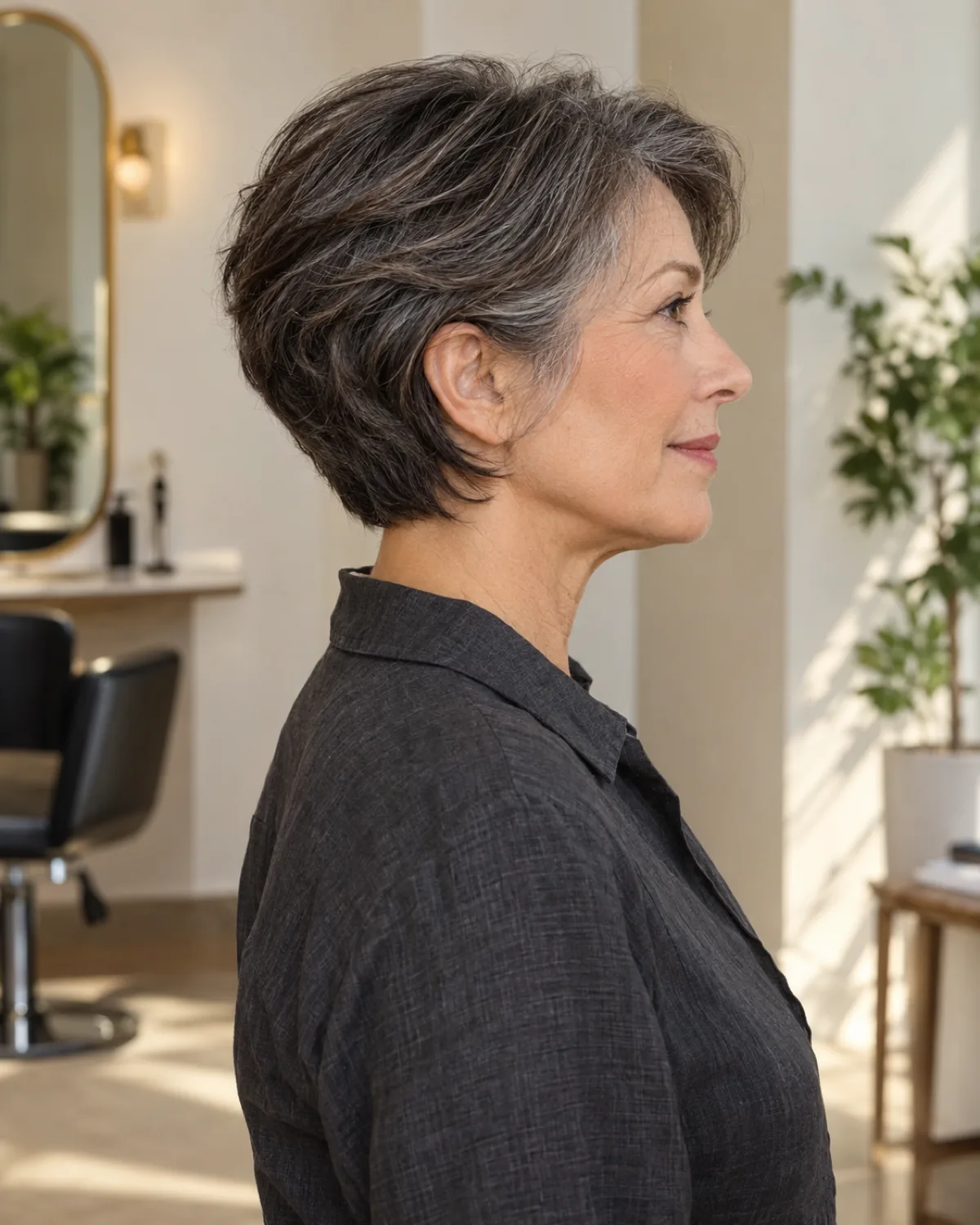
The reason most haircut advice disappoints is that it begins with the wrong variable. Face shape gets all the attention, but hair texture and density are the first filter. A cut that flatters your face but cannot hold its shape in your hair is a cut that looks good for one day.
- Fine hair with low density cannot hold a blunt one-length bob below the chin. The bottom edge breaks apart and reads as thin rather than sleek. Layers or a shorter length redistribute what you have
- Thick hair with high density holds almost any structure but can become heavy and shapeless if the bulk is not removed in the right places. A stylist uses thinning or texturising to control where the weight sits
- Medium-density hair is the most flexible starting point. It holds a bob, carries a pixie, and tolerates shoulder-length layers without looking either flat or overstuffed
The American Academy of Dermatology notes that hair diameter decreases with age and growth rate slows. This means the density that defined your options at thirty-five may not be the density you are working with now. Assess what you have today, not what you remember.
How Your Face Shape Narrows the List
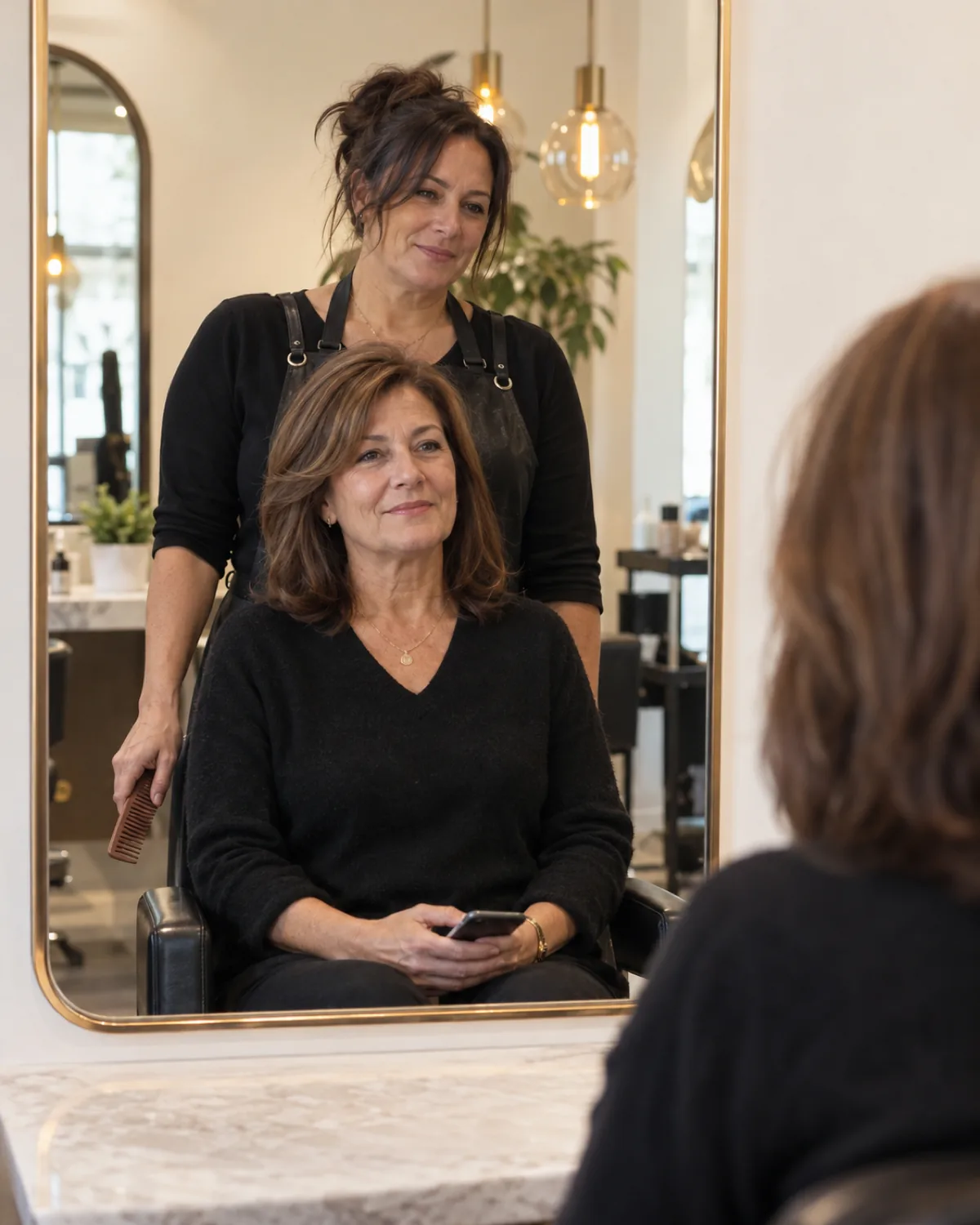
Face shape is the second filter, not the first. Once you know which structures your hair can hold, face shape tells you which of those structures will sit well against your proportions.
- A round face reads as wider than it is long. Vertical volume at the crown and lengths that break below the jaw both help. A blunt chin-length cut that ends at the widest point of the face can make it read wider
- An oval face is the least constrained. Most lengths and structures sit well because no single proportion dominates. The risk here is choosing based on a trend rather than on what your hair can maintain
- A square face has a strong jaw. Soft layers around the jaw and lengths that fall past it diffuse the angle. A very short pixie that exposes the full jawline can emphasise rather than soften it, but that may be exactly what you want
The consultation framework taught in professional training starts with analysing the client's face shape, hair texture, and lifestyle together, not in isolation. If your stylist skips any of those three, ask about the ones they missed.
Where to start
Find your situation, skip ahead
You know your face shape but cuts keep disappointing you anyway
Start with section one. Your hair texture is probably the variable you have been skipping.
01 Start With Your Hair, Not Your Face02 How Your Face Shape Narrows the List
You are short on time and want the lowest-maintenance cut that still looks clean
Read sections three and five together. The real maintenance cost is booking frequency, not morning minutes.
03 The Minutes You Will Actually Spend05 How Often You Are Willing to Book
You have a salon appointment coming and want to walk in with a clear request
Section six covers what to bring and what to say. Section seven gives you three self-check questions to run first.
06 What to Bring to Your Appointment07 Three Questions That Replace a Quiz
The Minutes You Will Actually Spend

Daily styling time is the variable that separates cuts that last from cuts that get abandoned. Most people underestimate how much time a cut needs and overestimate how much time they will spend.
- A pixie takes under five minutes to wash and style but demands it every day. By day two the crown sits flat and the sides push outward. Skipping a wash is visible
- A chin-length bob takes ten minutes if you want it to land cleanly. But it tolerates skipping a day because the weight pulls the shape back into line. The investment per session is higher; the frequency is lower
- Shoulder-length and beyond takes longer to dry and style, but it forgives more. A braid, a clip, or a half-up pull gives you a fallback that shorter cuts do not offer
The honest question is not how many minutes you have. It is how many mornings a week your hair needs to look intentional. If the answer is every morning, shorter cuts require daily attention. If you can tolerate a day or two of imperfect shape, something with weight will cover you.
Glasses, Earrings, and Necklines Change the Read

Accessories sit in the same visual field as your hair. They interact with it every day, and the interaction changes depending on length and structure.
- Large-framed glasses crowd the temples when hair is very short. A pixie that clears the top of the earpiece reads clean; one that sits level with it creates visual clutter. If your frames are wide, try holding your hair above and below the earpiece in a mirror and see which looks calmer
- Earrings are fully visible with a pixie and partially hidden with a bob. This matters if you wear statement earrings daily. A bob that covers the earlobe will swallow anything shorter than a drop
- Necklines on clothing set the endpoint for your hair. A crew neck and a V-neck create different frames. Hair that ends at the same point as a crew neck can merge into the collar; hair that ends above or below it reads as a deliberate line
None of these is a dealbreaker. They are comfort variables. Check them in a mirror wearing your everyday glasses and your usual neckline before you commit, not after.
How Often You Are Willing to Book

Every cut comes with a maintenance clock. The question is whether your schedule and your willingness to book align with what the cut demands.
- A pixie needs reshaping every four to six weeks. Miss the window and it stops being a pixie. The nape grows out, the sides push over the ears, and the shape loses its intention
- A bob holds for six to eight weeks depending on how graduated it is. A blunt bob shows growth sooner because the clean bottom edge is its defining feature. A textured bob is more forgiving
- Shoulder-length and longer can stretch to eight or ten weeks between trims, but the ends need attention. Fine hair that grows past the collarbone without trimming often goes transparent at the tips
The maintenance cost is not just money. It is the act of booking, showing up, and keeping the schedule. If you know you will let the appointment slide, choose a cut that degrades gracefully rather than one that demands precision.
What to Bring to Your Appointment
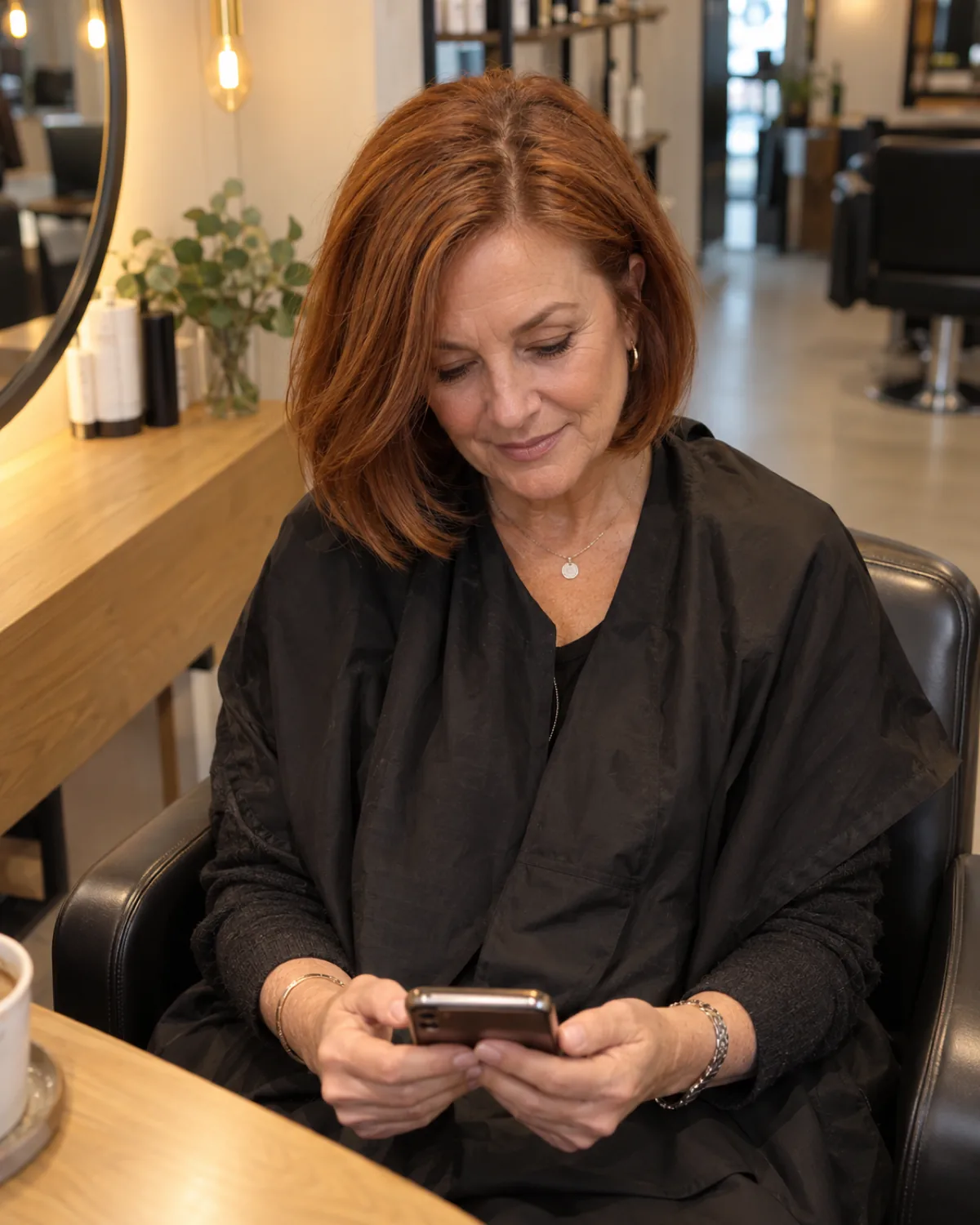
A productive consultation starts before you sit down. What you bring and how you describe what you want shapes what your stylist hears.
- Bring two reference photos, not ten. Two photos give your stylist a direction. Ten photos give conflicting signals that cancel each other out. Choose photos that show the length, the layering, and the neckline you are drawn to
- Describe the cut in terms of where it sits and how it moves, not by its name. "I want it to end at my jawline with some movement at the ends" gives a stylist more to work with than "I want a French bob"
- Say what you do not want before you say what you do. "I do not want it to touch my collar" or "I do not want to use a round brush every morning" sets the boundary. Your stylist designs within it
Professional consultation models emphasise listening before recommending. A stylist who starts cutting before asking about your routine, your previous experiences, and your maintenance tolerance is skipping the step that makes the result fit your life.
Three Questions That Replace a Quiz

Online quizzes ask about your personality. These three questions ask about your hair, your habits, and your history. They will narrow the field faster than any algorithm.
- What can my hair actually hold? Gather your hair at the nape. If the tail is thin and wispy, your density favours shorter, layered structures. If it is solid, you have more range. This single check replaces half the quiz questions about face shape because it filters out cuts your hair cannot support regardless of your proportions
- How often am I willing to go back? If every six weeks feels easy, short cuts are an option. If you prefer to stretch to ten or twelve weeks, choose something that grows out gradually rather than losing its shape overnight
- What did my last good haircut have in common with the one before it? Pull out photos or recall the details. Length, layering, how much of your neck was visible. The pattern in your own history is a stronger signal than any recommendation from a stranger
Write the answers down and bring them to your appointment. They give your stylist a framework instead of a mood board.
When to Reconsider the Cut You Already Have
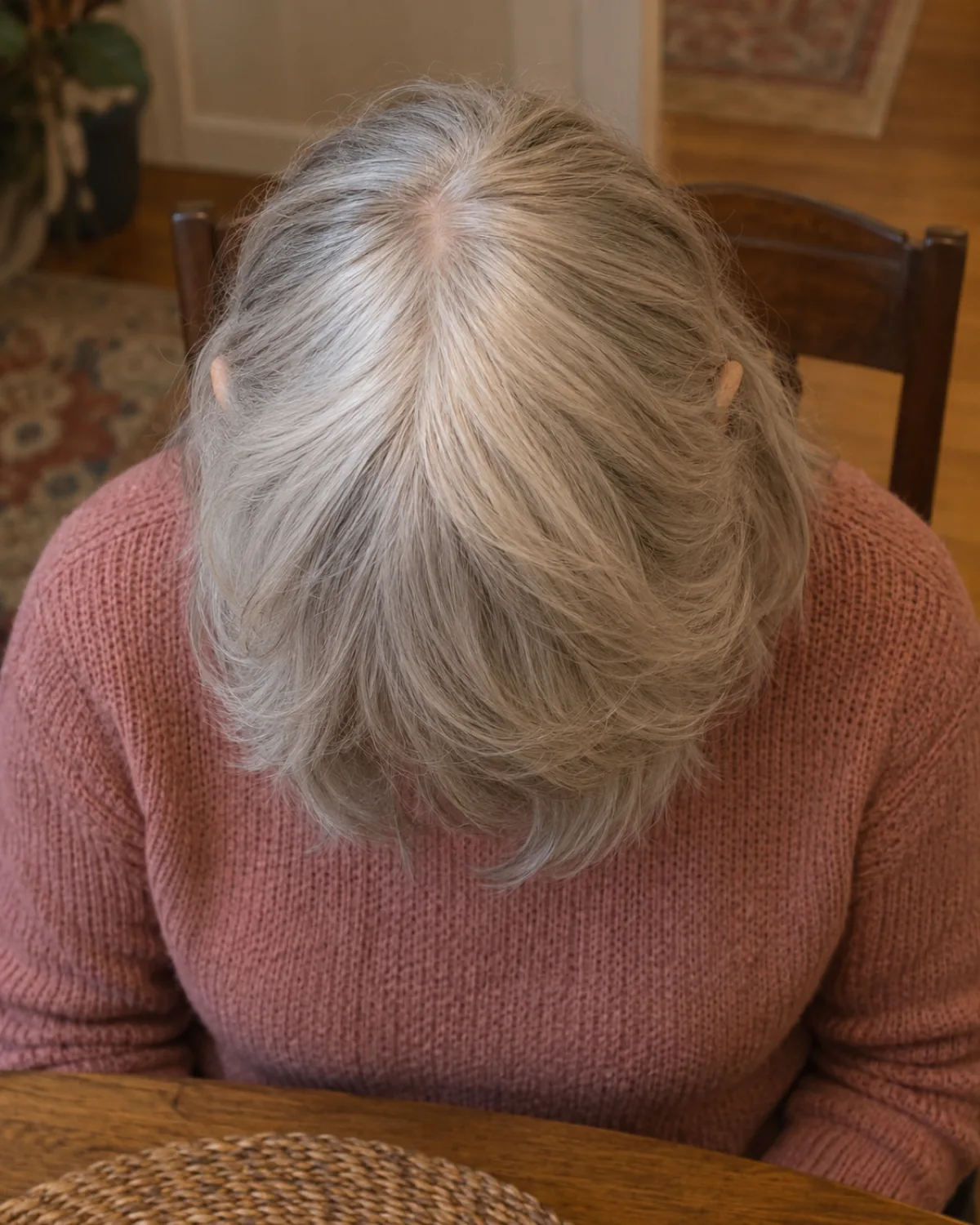
A cut that worked three years ago may not work now. That is not a failure. It is a shift in the inputs.
- If your cut no longer holds its shape between appointments the way it used to, your density or texture may have changed. Hair that once held a blunt edge may now need layers to create the same visual weight
- If you are growing out colour or transitioning to grey, the texture of new growth is often different from the texture of treated hair. A cut designed for coloured hair may not sit the same way on grey hair, which tends to be coarser and wavier
- If your daily routine has changed, whether because of retirement, a move to a different climate, or a shift in how much time you want to spend, the maintenance equation has shifted with it
The signal that it is time to reconsider is not age. It is the gap between how a cut is supposed to look and how it actually looks on day four. When that gap widens, the cut is asking for something your hair or your schedule is no longer giving it.
Haircut Decision FAQ
Answers to the questions that come up most when choosing a cut after fifty.
Should I cut my hair short just because I turned fifty?
No. Age is not a reason to cut. Density, texture, maintenance tolerance, and how you want to be read are reasons to cut. Some women in their seventies wear long hair beautifully because their density supports it and they maintain the ends. Others find that shorter lengths serve them better. The number on the calendar is not a variable in this decision.
Is my face shape more important than my hair texture?
It is not. Hair texture decides which structures can hold. Face shape decides which of those structures look best against your proportions. A cut that flatters your face but collapses in your hair is not a flattering cut. Start with texture.
How do I know if my hair is fine or just thin?
Fine describes the diameter of each strand. Thin describes how many strands you have. You can have fine hair that is dense or coarse hair that is thin. Roll a single strand between your fingertips: if you can barely feel it, it is fine. For density, look at your scalp through your hair in direct light. If you see scalp easily through the mid-lengths, your density is low.
Can I bring a photo of someone younger to the salon?
Yes. The cut is not age-specific. What matters is whether your hair texture and density can hold the same structure. Show the photo and ask your stylist to assess whether the length and layering in the image will work with what you have. A good stylist will adapt the shape to your hair rather than trying to replicate the photo exactly.
What if my stylist suggests something different from what I want?
Listen to the reasoning. A stylist who says "your hair is too fine to hold a one-length bob at this length" is giving you structural information you cannot see from the front of the mirror. A stylist who says "women your age usually go shorter" is giving you a convention, not a diagnosis. The first is worth hearing. The second is worth questioning.
Where the checkable claims come from
- Face Shapes and Hairstyles — Fantastic Sams
- Tips for Healthy Hair — American Academy of Dermatology
- The Art of Consultation — Pivot Point International
- Understanding Graduation and Layering — Sam Villa / Redken Education
Keep this one
Save it for the appointment
Pin the image above to the board you actually open before a salon visit. This guide is written to be re-read, not read once.
Tonight, before you close this tab
- Gather your hair at the nape and feel the thickness of the tail. A thin wispy tail points toward shorter cuts; a solid bundle gives you more options
- Time your morning hair routine for three days and write down the average. That number is your real styling budget
- Pull out photos from the last three haircuts you liked and look for what they have in common: length, layering, how much of your neck was visible
- Write down two questions for your stylist: one about how your density will affect the cut you want, and one about how often you will need to come back