14 Pixie Cuts That Actually Suit Fine Hair Over 50
Fourteen pixie variations for fine hair over 50, each judged on whether your density can carry it. Crown coverage, temple exposure, and what to ask your stylist.
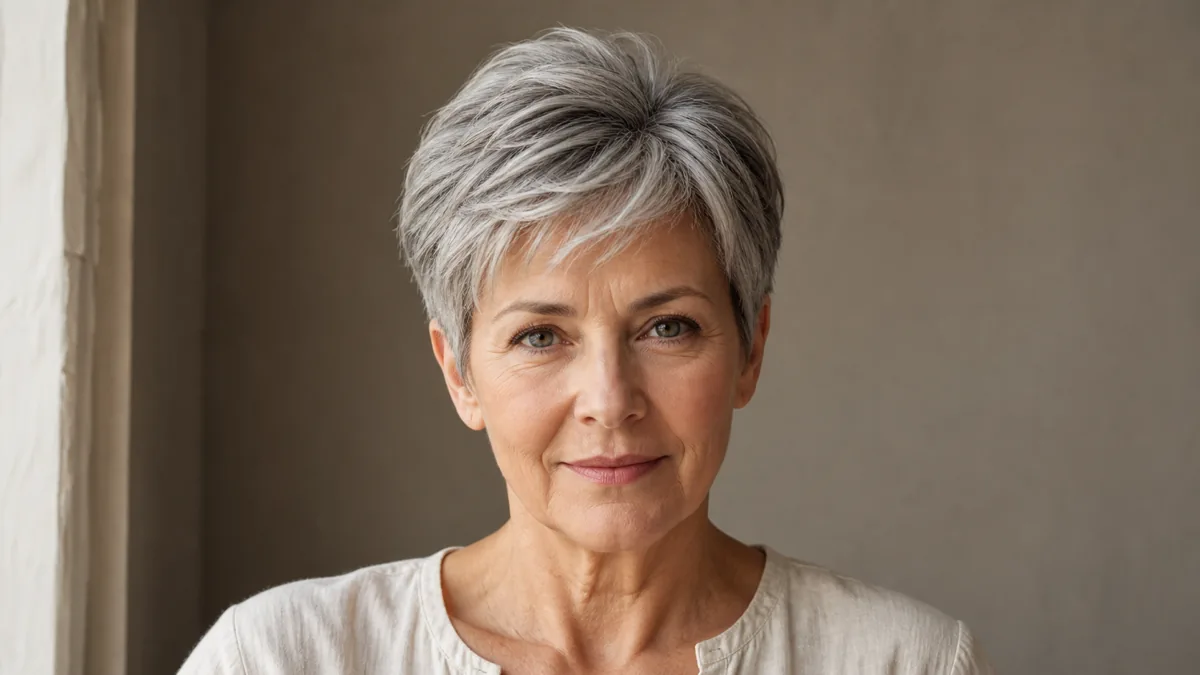
Booking an appointment soon? Save this page. It is easier to skim in the chair than to remember.
At a glance
Works
- A classic tapered pixie that keeps weight at the crown where fine hair still has coverage
- A soft rounded pixie that works with your hair's natural lie instead of fighting for volume
- A curly or wavy pixie that uses natural texture to take up space the strand count cannot
Depends
- A pixie bob with internal layers, which holds if you have jaw-length density but thins out if you do not
- A choppy fringe pixie, which reads intentionally textured only if your front section has enough strands to spare
- A disconnected pixie with an undercut taper, where the contrast works if your crown drapes convincingly but exposes the scalp if it does not
Skip
- A slicked-back pixie if your temples are receding, because it frames the exact area you want to downplay
- Heavy feathering at the sideburns when your temple hair is already sparse
- Any pixie that needs a volumizing blowout every morning to hold its shape
Going short is the biggest bet in hair. A pixie removes most of what you have. These fourteen are judged on one question: does your density sit where this cut needs it?
Fine hair after 50 is measurably thinner per strand than it was at 30, and the total strand count per square centimetre drops too. That is not a problem to fix. It is a fact to design around.
A stylist who can see your hair in person outranks anything written here. What this guide does is narrow the field before you book.
1. Classic Tapered Pixie
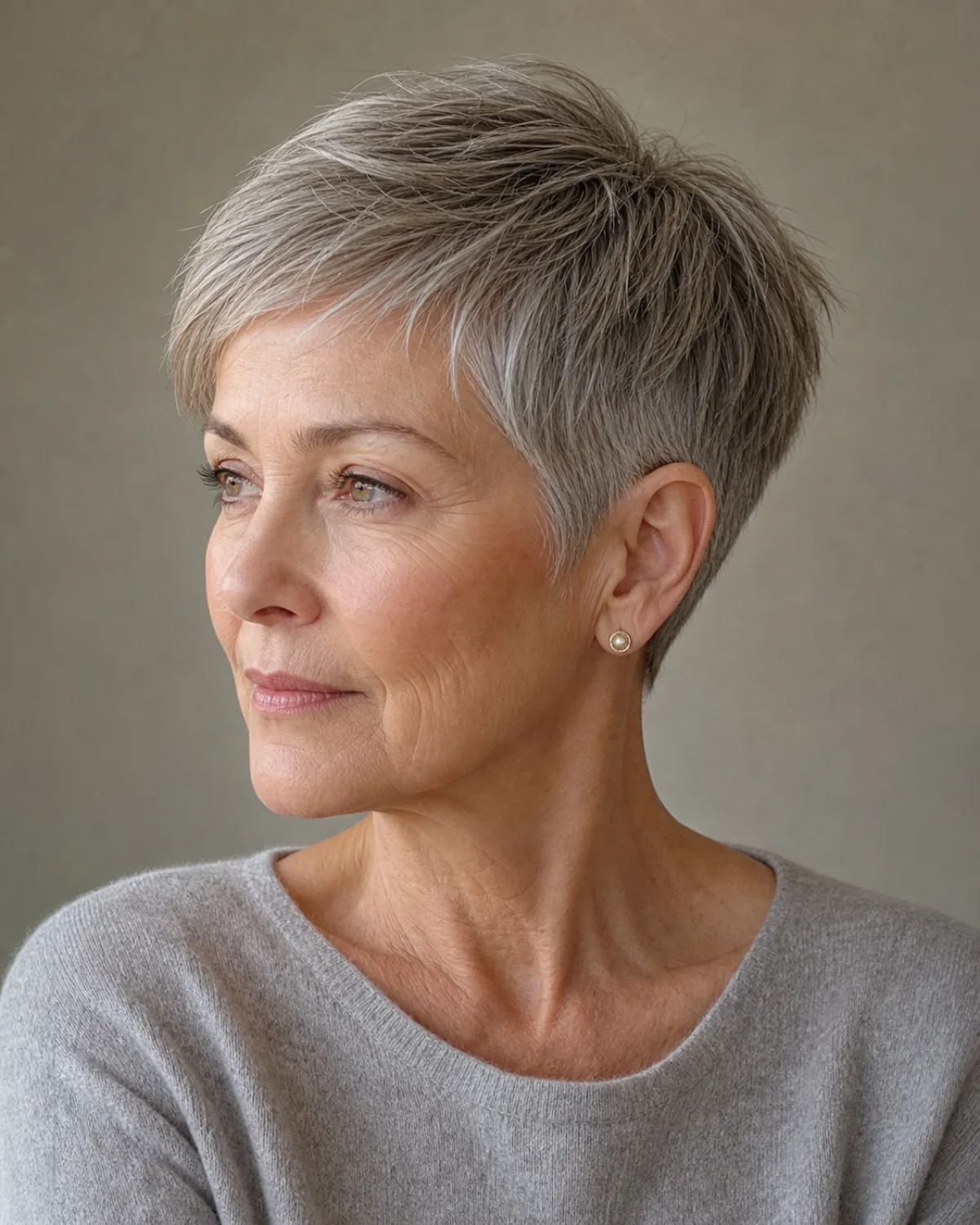
The classic taper keeps the crown longer and graduates shorter toward the temples and nape. It is the safest first pixie for fine hair because it concentrates weight exactly where most women still have coverage.
- The crown sits at roughly two inches while the sides taper to half an inch or less
- Weight stays on top, so the cut reads fuller than it actually is
- Works on most fine-hair densities as long as your crown still has reasonable coverage
- Ask your stylist to keep the graduation gentle rather than sharp so the thinning transition is less visible
- If your crown is already noticeably thinning, look at idea 8 or idea 11 instead
2. Textured Crop With Micro-Layers
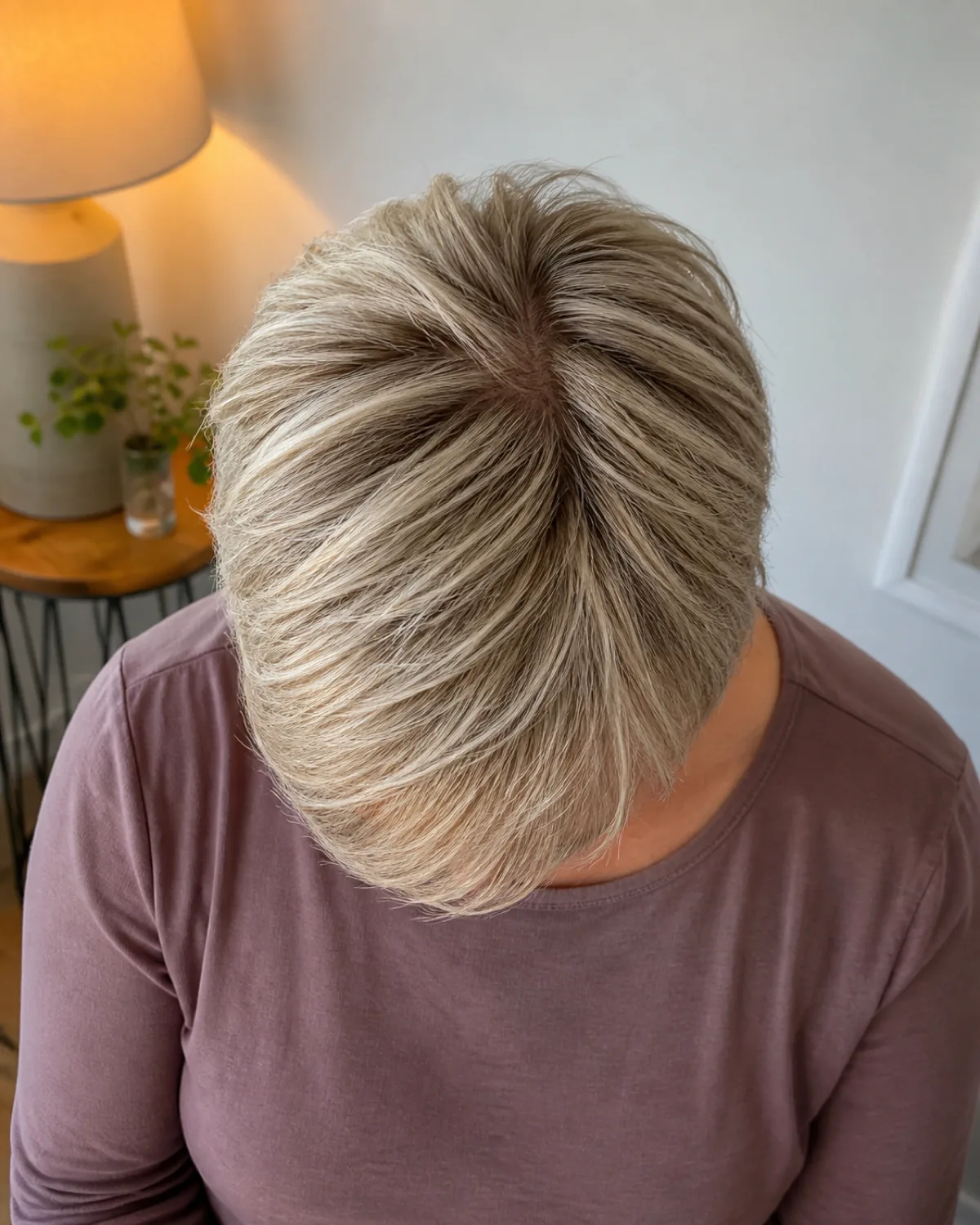
This is shorter all over than the classic taper, with tiny choppy layers cut into the crown to create the illusion of thickness. The micro-layers lift hair away from the scalp instead of letting it lie flat.
- Best on hair that naturally lies flat, where the micro-layers create root lift without product
- The layers are small enough that they do not remove visible density from the perimeter
- Keep the crop very short at the sides so the textured crown has visual contrast to work against
- If your hair is fine but curly, the micro-layers will compete with your curl pattern and read as frizz
- Ask for point-cutting rather than razor-cutting, because razor-cutting can thin already-fine ends further
3. Side-Swept Pixie With Long Bangs
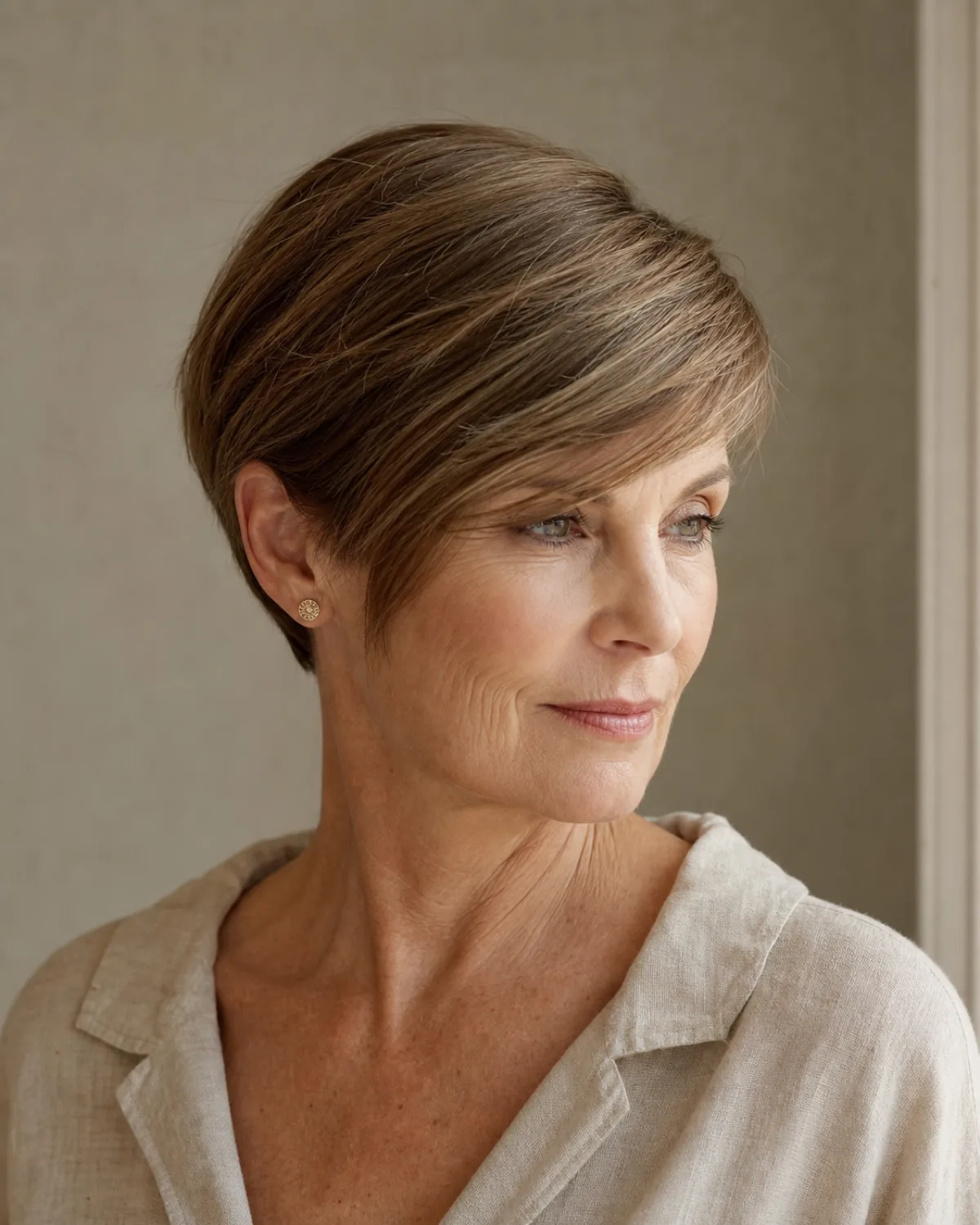
The long side-swept fringe is the dominant feature here. It sweeps diagonally across the forehead from a deep side part, visually thickening the front while the back and sides stay cropped.
- The fringe borrows strands from a wider section than a blunt fringe would, spreading the load
- A deep side part displaces volume to one side, which reads thicker than centering everything
- Works well if you want a pixie that still frames the face rather than fully exposing it
- The fringe needs enough density to read as a sweep rather than scattered wisps
- If your temples are already thin, the long fringe will pull from an area that cannot afford it
4. Pixie Bob (Bixie)
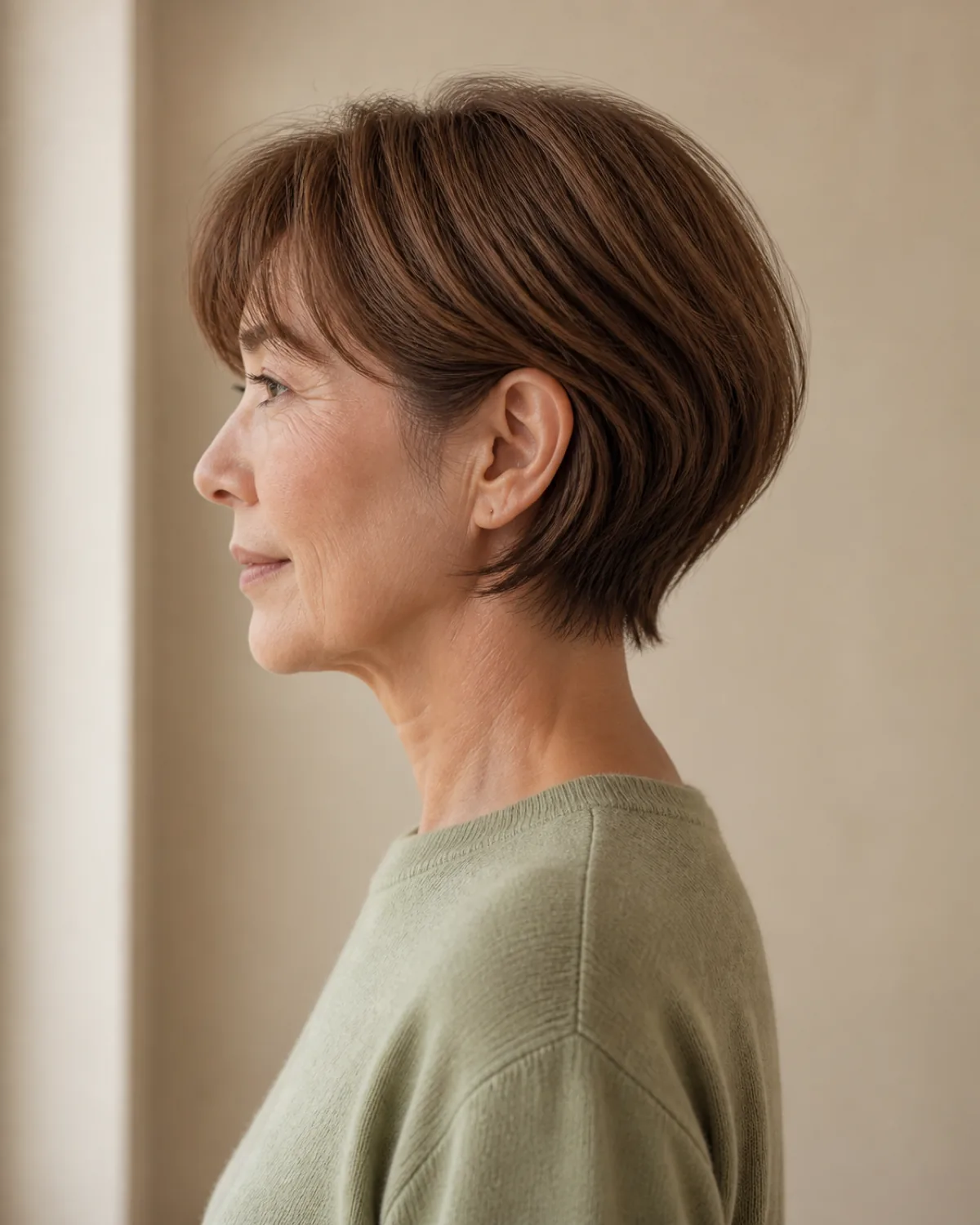
The bixie sits between a pixie and a bob, with hair falling somewhere between ear and jaw length. It is the safest entry point if you are not certain you want to go fully short.
- The extra length at the nape gives fine hair more to work with than a true pixie does
- Internal layers keep the interior moving without removing weight from the perimeter line
- If you go too short on the layers, the bixie will look like a grown-out pixie rather than a deliberate cut
- Ask for internal layers only, not stacked graduation, which can make fine hair look thinner at the hemline
- Suits women who want a pixie-like ease of styling but are not ready to commit to a fully exposed nape
Where to start
Find your situation, skip ahead
Your fine hair still has decent density at the crown
Start with the classic tapered pixie. It concentrates hair where you already have it.
01 Classic Tapered Pixie06 Soft Rounded Pixie13 Tapered Nape Pixie
Your fine hair is thinning and you want maximum perceived volume
Go for the curly or wavy pixie or the textured crop. Both create density with fewer strands.
11 Curly or Wavy Pixie02 Textured Crop With Micro-Layers08 Volumized Crown Pixie
You are not sure you want a full pixie and want a safety net
The pixie bob keeps jaw-length options open. If it works, go shorter next round.
04 Pixie Bob (Bixie)09 Asymmetric Pixie03 Side-Swept Pixie With Long Bangs
5. Disconnected Pixie With Undercut Taper
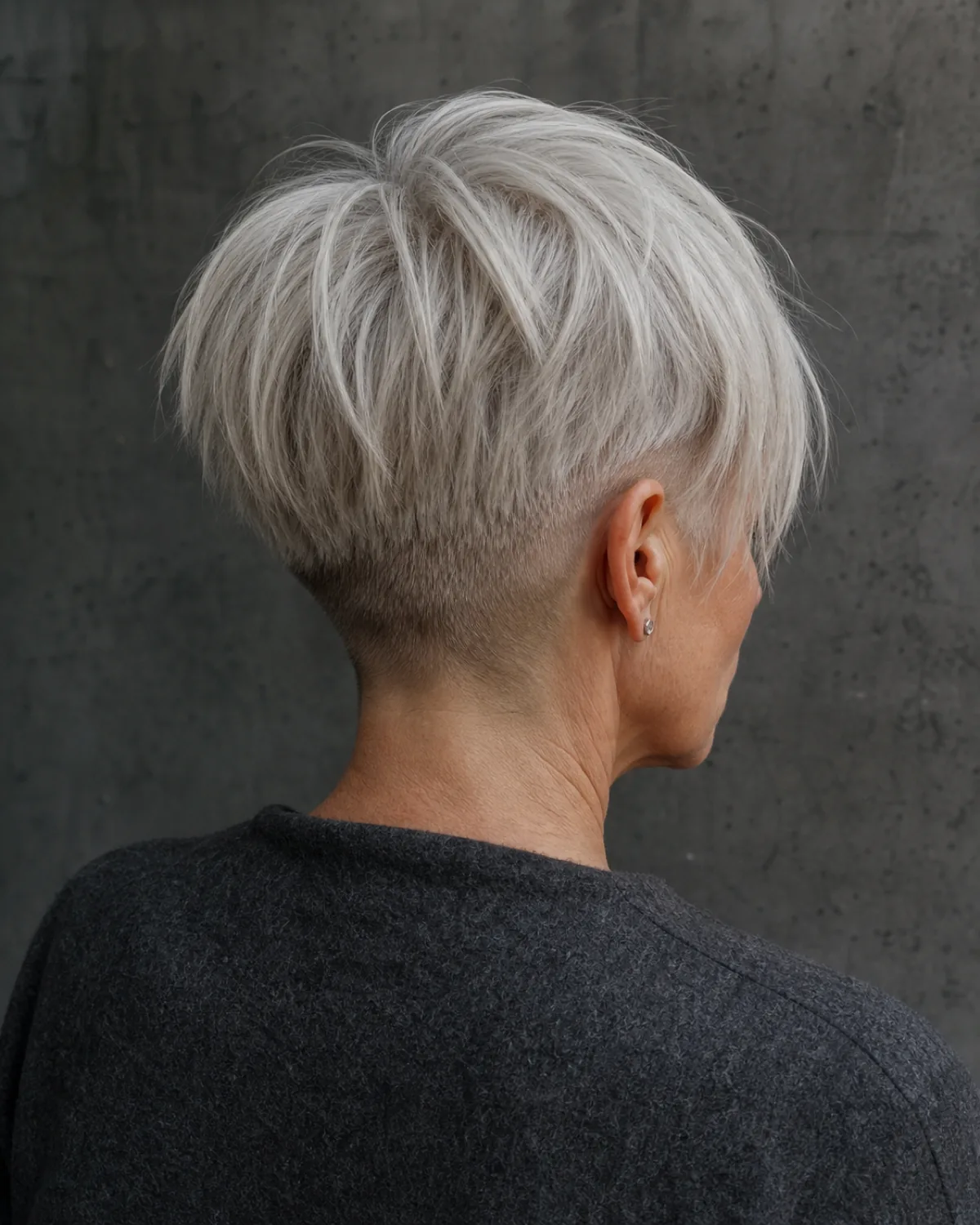
The disconnect between the longer crown and the buzzed sides is the sharpest contrast in this guide. The sides and nape are cut very close while the crown stays at least three inches, draping over the short sections.
- The contrast makes the crown look dramatically fuller because it has the buzzed sides as a baseline
- Fine hair on top needs to be dense enough to drape convincingly over the short sections
- If the crown hair is too thin, it will not cover the disconnect line and the scalp will show through
- The buzzed nape grows out fast, so expect maintenance visits every four to five weeks
- Ask your stylist to show you the disconnect before they blend, so you can judge whether the drape works
6. Soft Rounded Pixie

This pixie has no sharp edges. The silhouette hugs the head in a smooth curve that follows the shape of the skull rather than fighting for volume it cannot sustain.
- Works with the natural lie of fine hair instead of against it
- The rounded shape does not rely on root lift or product, so it is genuinely low-maintenance
- Suits oval and heart-shaped faces where a smooth close silhouette reads as elegant rather than flat
- If your face is round, the rounded pixie can mirror the face shape rather than counterbalancing it
- Ask for the weight line to sit just above the ears so the rounded shape has a clear perimeter
7. Pixie With Feathered Sideburns
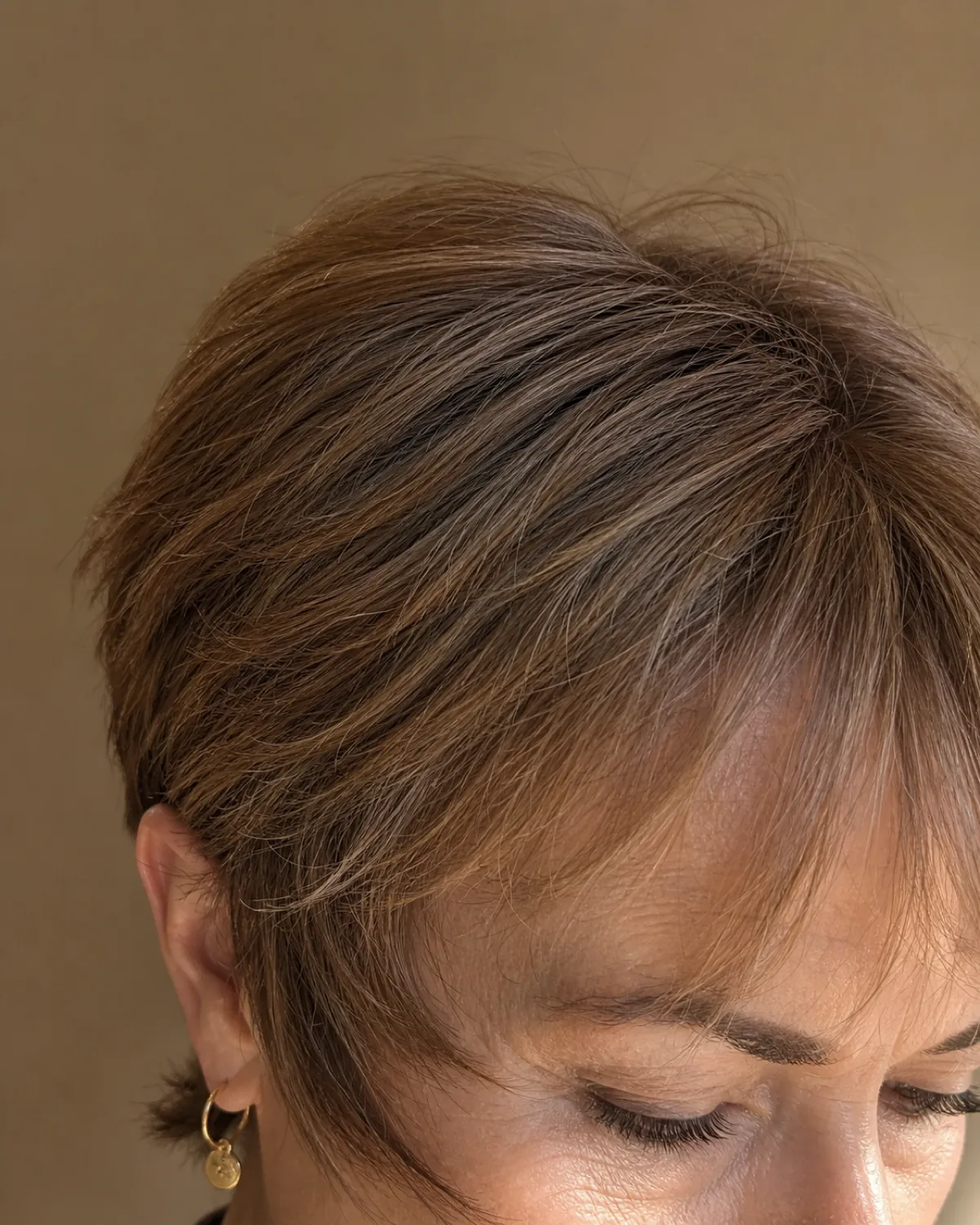
The feathered sideburns are wispy pieces left longer at the temples and in front of the ears. They soften the transition from the pixie to the face.
- Flattering on heart and oval faces because the feathering frames the cheekbones
- The wispy pieces need enough temple density to read as intentionally feathered rather than sparse
- If your temple hair is already thinning, feathering will make the gaps more visible, not less
- Ask your stylist to point-cut the sideburns so the ends taper naturally rather than sitting in a blunt line
- The feathered pieces grow out faster than the rest of the pixie, which can look untidy within three weeks
8. Volumized Crown Pixie
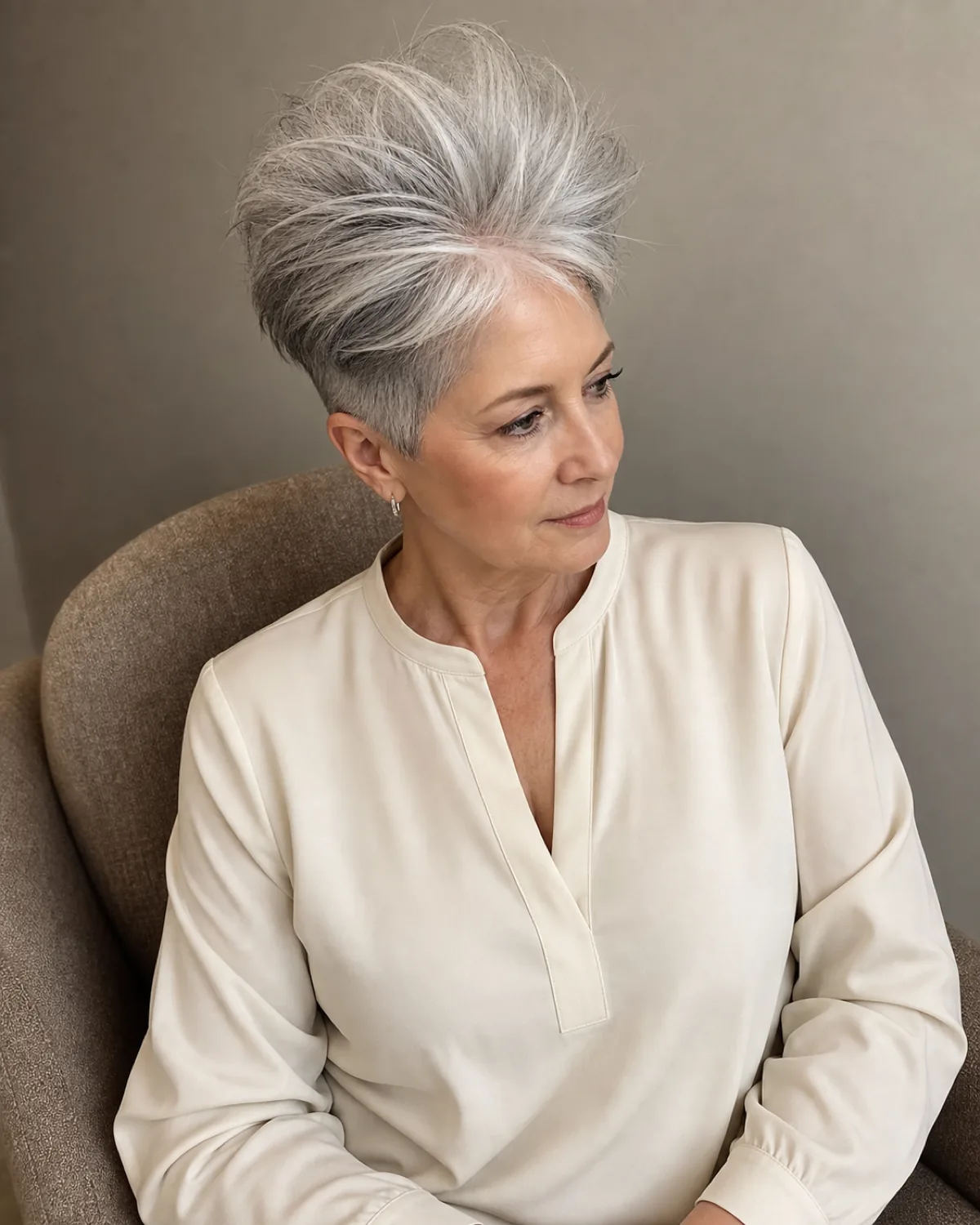
All the length and effort in this cut is concentrated at the crown. The sides and back are tapered close so the crown reads as the single zone of volume.
- The single-zone focus is the strongest volume play for fine hair because it does not spread thin resources
- Works if your crown still has enough density to stand away from the scalp
- If your crown is the area that is thinning most, this cut advertises the problem rather than solving it
- A root-lifting product at the crown is the only styling this cut needs
- Ask your stylist to leave the crown at least two inches so it has enough length to hold lift
9. Asymmetric Pixie
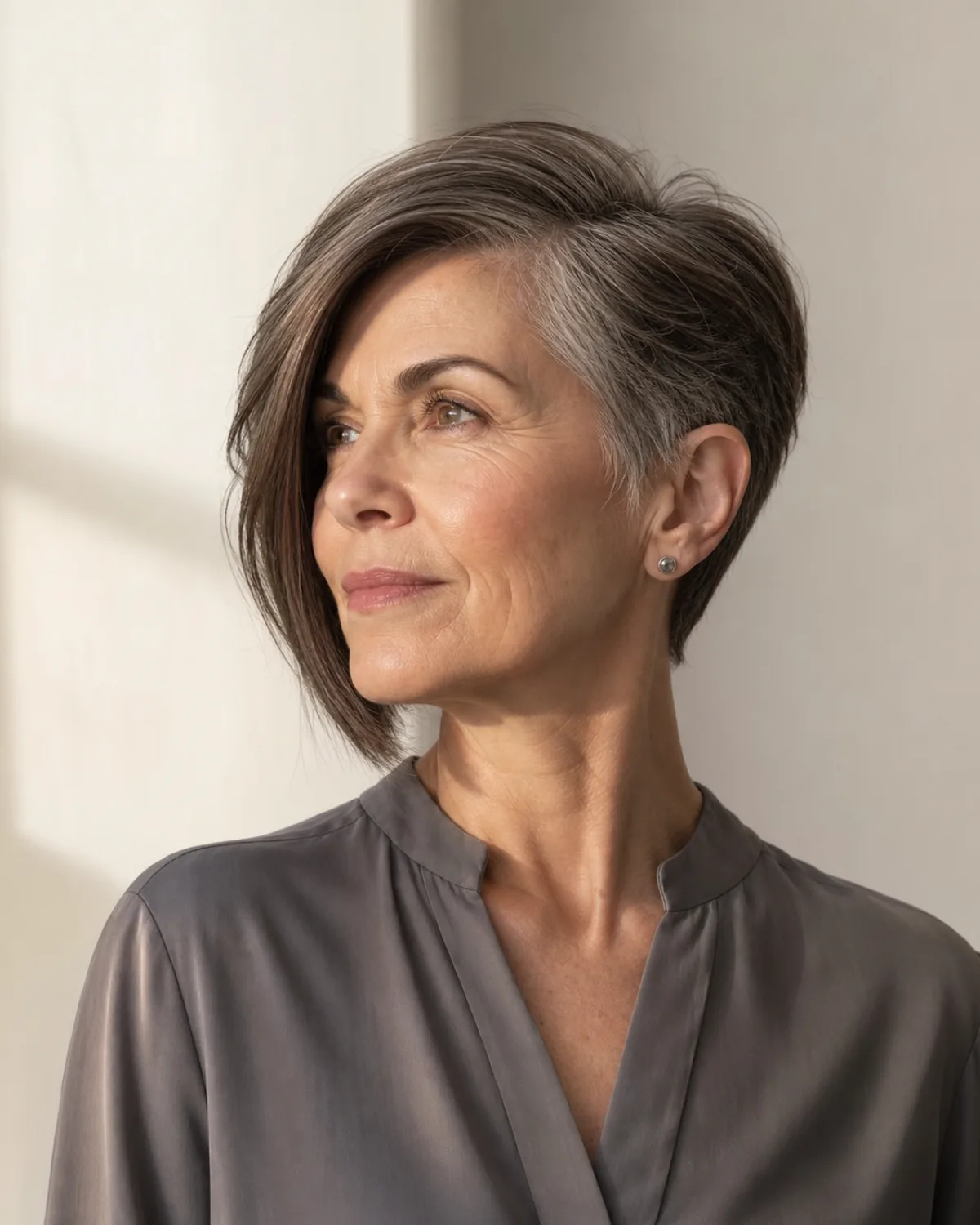
One side is notably longer than the other. The asymmetry displaces weight to one side, which reads thicker than centering everything evenly.
- Concentrating hair on one side is the simplest way to make fine hair look denser
- Works on most fine-hair densities because you are not asking every zone to perform
- The shorter side needs to be genuinely short so the asymmetry reads as deliberate
- Suits women who naturally part to one side already
- Ask your stylist to cut the long side first and then decide how short to take the other, rather than starting short and trying to match
10. Slicked-Back Pixie
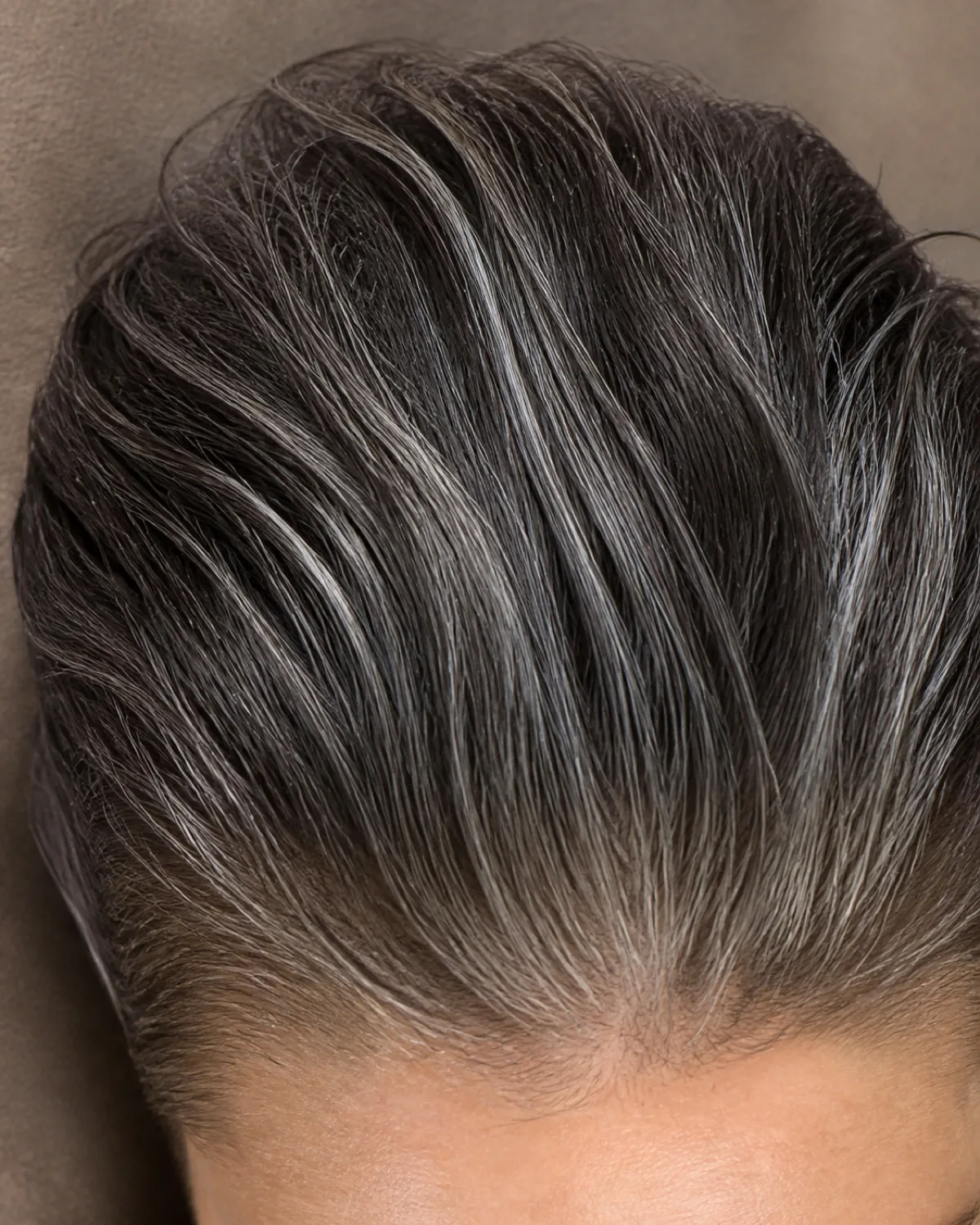
This is the most pared-back option. The hair is short enough to push back off the face with a light product, exposing the entire hairline.
- The lowest maintenance pixie in this guide because the styling is a ten-second application of light pomade
- Exposes the entire hairline and temples, so it only works if those areas are still dense
- If your temples are receding, this cut frames the exact area you want to downplay
- The product sheen can make fine hair look sleeker and more intentional than it does when dry
- Ask your stylist to keep the cut even all over so the slicked direction reads as clean rather than choppy
11. Curly or Wavy Pixie
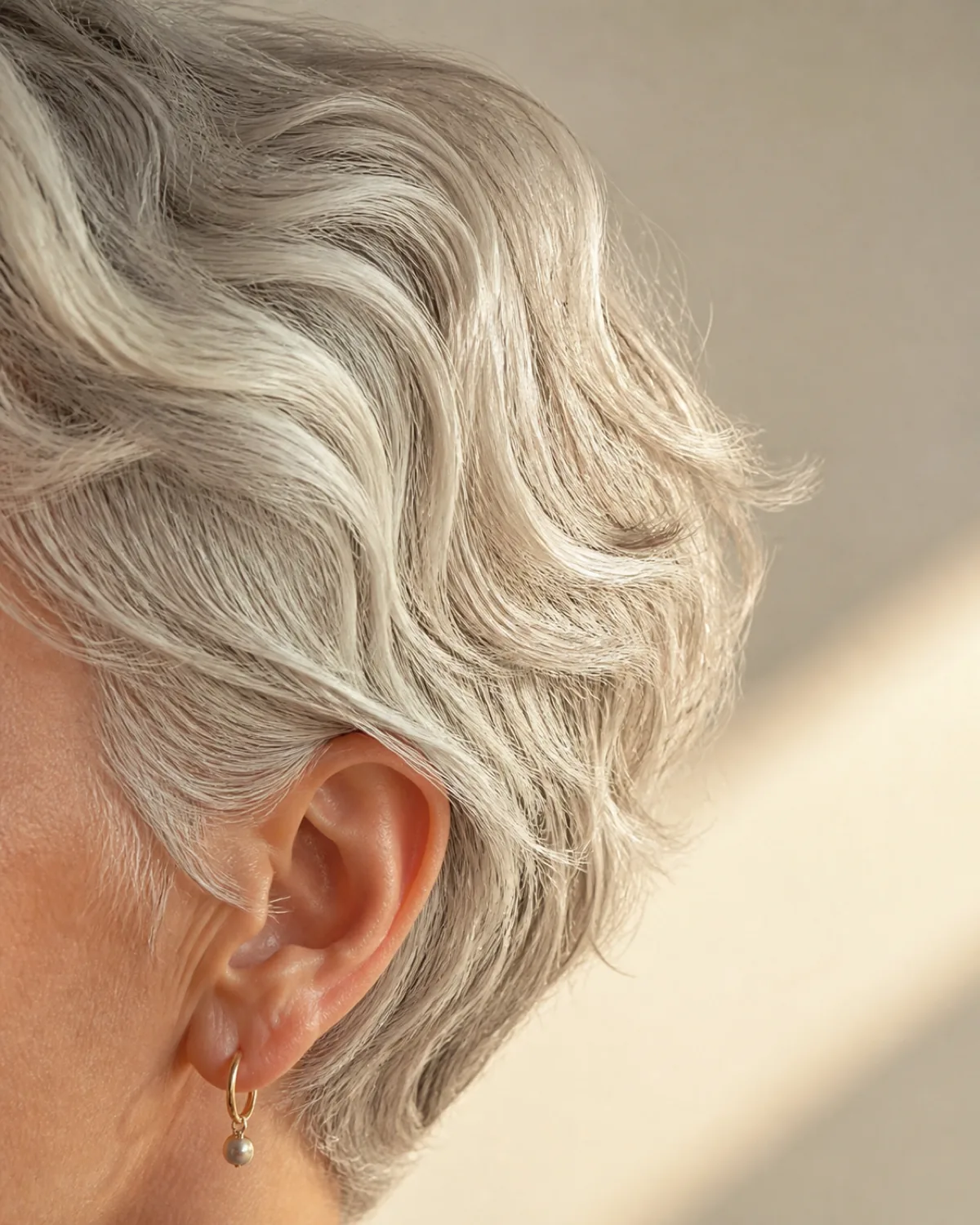
Natural wave or curl is fine hair's best ally. A wavy pixie occupies more space with the same number of strands because each strand takes up a curved path rather than a straight one.
- Even slight wave doubles the perceived density of a pixie compared to the same cut on straight hair
- The wave creates body without product or heat, which is the definition of low-maintenance volume
- If you have any natural wave at all, a pixie that works with it will outperform any straight-hair pixie for perceived density
- Ask your stylist to cut it dry so the wave pattern determines the shape, not the wet length
- Avoid thinning shears, which remove the interior strands that create the wave's body
12. Pixie With Choppy Fringe
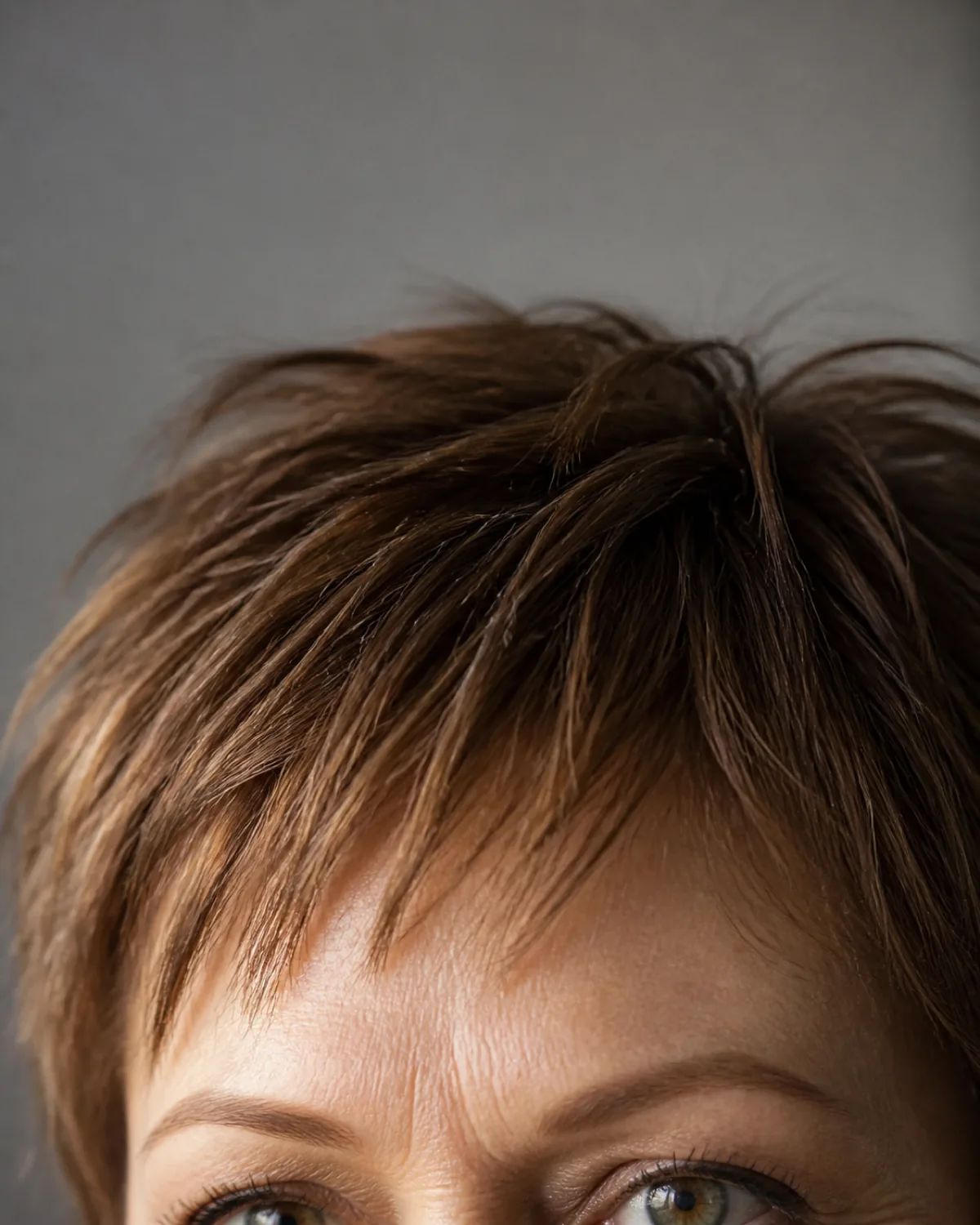
The fringe is cut into with point-cutting to create a jagged, uneven edge rather than a blunt straight line. The broken line disguises a thin front.
- A blunt fringe requires a minimum density to read as solid, and fine hair often falls below that threshold
- The choppy, broken edge distributes sparse strands so gaps look intentional rather than accidental
- Works only if the front section has enough hair to read as choppy rather than just thin
- The fringe grows out unevenly, so expect trims every three to four weeks to maintain the edge
- Ask your stylist to point-cut into the fringe rather than cutting straight across with scissors
13. Tapered Nape Pixie
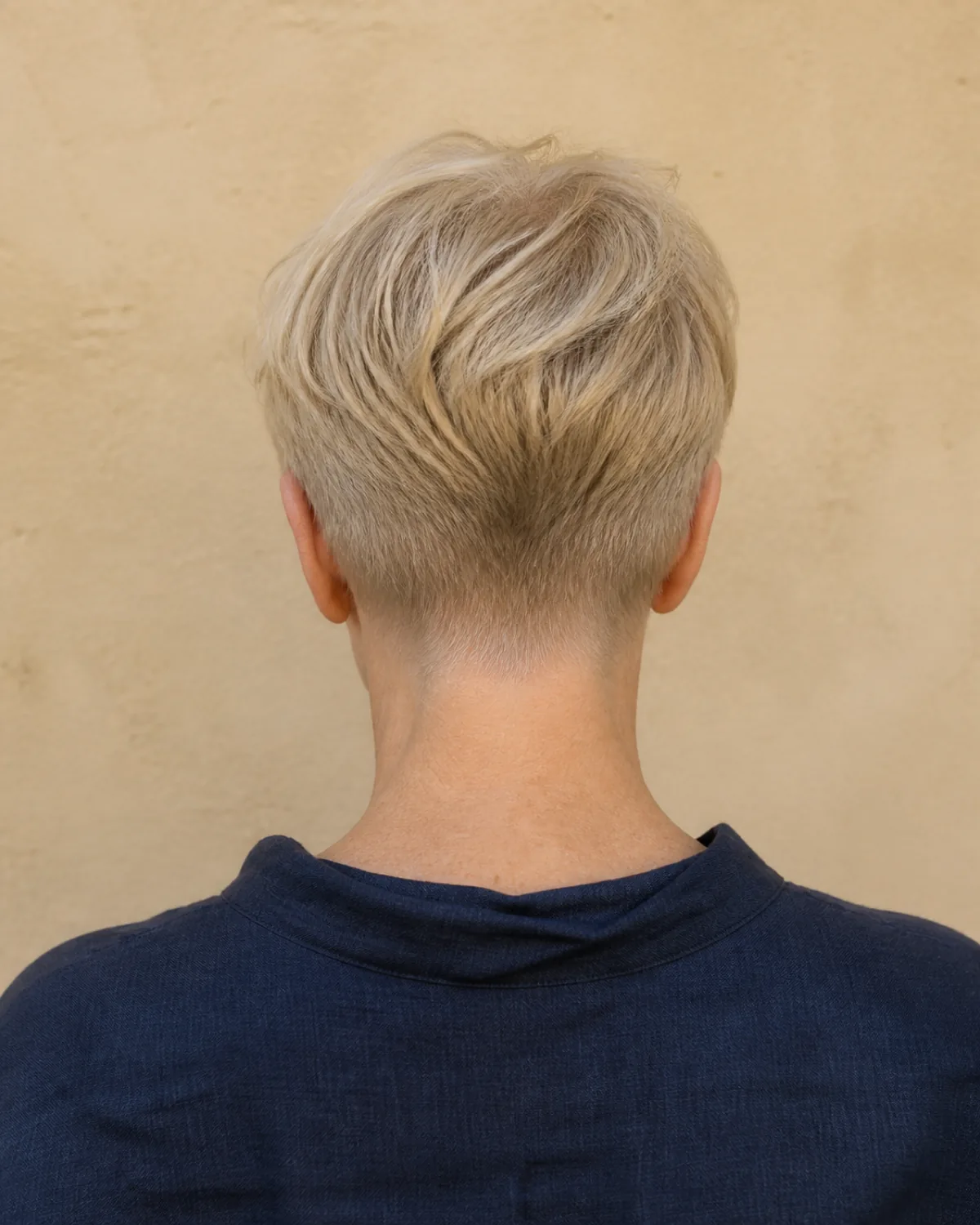
The clean tapered nape is the finishing detail that separates a deliberate pixie from a grown-out one. The hair graduates smoothly from the crown down to a close-cropped neckline.
- The taper keeps the cut looking groomed as it grows out, which matters because fine-hair pixies lose shape fast
- Flattering on longer necks where the taper follows the natural line
- If your neck is short, a graduated nape that builds outward may suit you better than a close taper
- The tapered nape is the first area to lose its shape between cuts, so it sets the appointment interval
- Ask your stylist to follow your natural nape hairline rather than creating an artificial one
14. Silver Pixie (Going Gray Crossover)
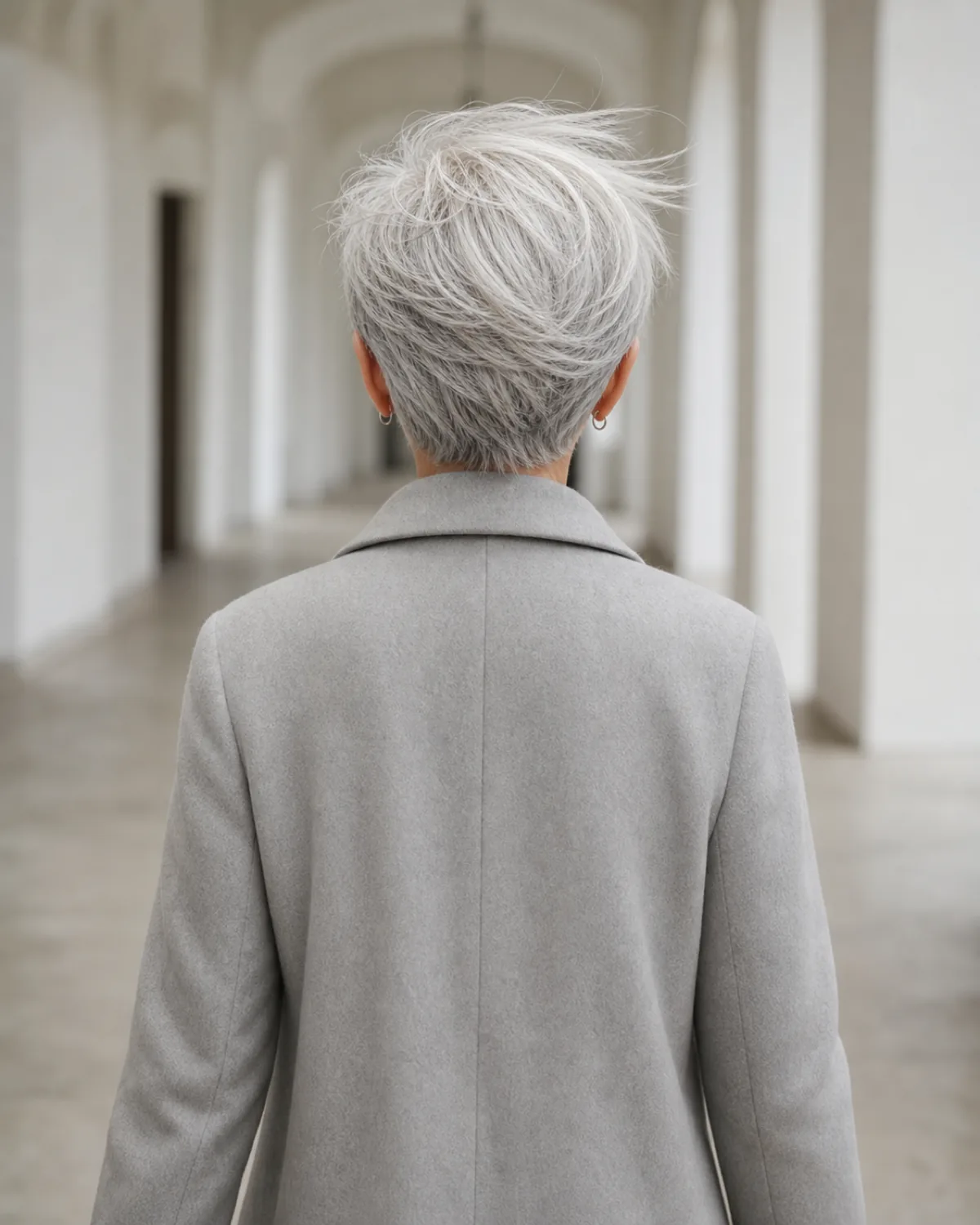
Any of the thirteen options above can be worn in natural silver or white. The judgment call changes because grey and white hair often has a coarser, slightly wiry texture that holds shape differently than it did when pigmented.
- Coarser grey hair can hold root lift and crown volume better than the same hair did at 35
- A pixie you ruled out a decade ago because your hair was too flat may actually work now
- The silver colour reads as intentional in a pixie in a way it does not always in longer hair
- If your grey is patchy rather than fully grown out, the uneven colour can look more noticeable in a very short cut
- Ask your stylist whether your specific grey texture is coarser or finer than your pigmented hair was, because that changes which pixie shape suits you
Where the checkable claims come from
- Hair diameter, color and density changes with age — Birch, Messenger & Messenger, British Journal of Dermatology (2001)
- Pixie cut — Wikipedia
- Graduation vs. Elevation: The Subtle Distinction That Impacts Every Cut — Above Shears
Keep this one
Save it for the appointment
Pin the image above to the board you actually open before a salon visit. This guide is written to be re-read, not read once.
Tonight, before you close this tab
- Part your hair and photograph your crown, temples and nape in daylight to map where density is strong and where it is thin
- Look at your profile in a mirror to check whether your nape is long or short, because tapered and graduated napes suit different neck lengths
- Bring two photos of pixies that appeal to you and ask your stylist which one works with your specific density map
- Run your fingers through your crown hair and feel whether the strands spring back or lie flat, because that tells you whether a volumized crown pixie will hold
- Write down whether your hair has any natural wave, because even slight wave changes which pixie options are realistic