Should You Cut Your Hair Short After 50? The Signals That Tell You Before the Scissors Do
A judgment guide for women over 50 weighing a short haircut. What your face shape, hair texture, neckline and styling habits reveal before you commit.
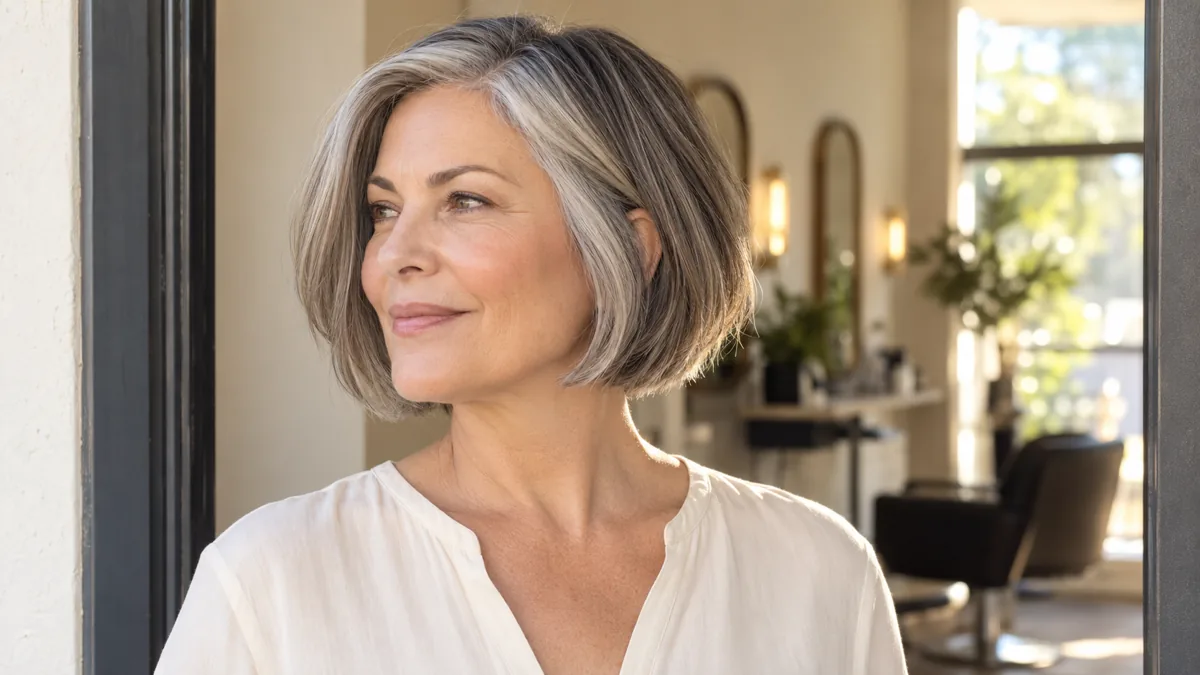
Booking an appointment soon? Save this page. It is easier to skim in the chair than to remember.
At a glance
Works
- A chin-length bob or textured pixie on someone whose neck is long enough to carry the exposed line and whose hair has enough density to hold the shape without daily heat
- Going short when your daily styling budget is under five minutes but you are willing to visit the salon every four to six weeks to keep the shape sharp
- Cutting short after your hair texture has changed with age, because the new texture often performs better at a shorter length than at the length you have been keeping
Depends
- A pixie on a round face — it can sharpen the jaw if the weight stays at the crown, but if the sides are cropped too close it widens what you were trying to narrow
- Going short with very fine hair — a textured crop can look fuller than a long style that falls flat, but a blunt bob on fine hair may expose the scalp at the part
- Cutting short when you have been colouring for years — the grow-out timeline is the same whether your hair is dyed or not, but the colour line becomes a second transition to manage
Skip
- Cutting short only because someone said it is what women over a certain age should do. Short hair is a structural choice, not an age prescription
- Going from waist-length to a pixie in one visit without ever having worn a bob or shoulder-length cut. The shock of that change is harder to judge than the cut itself
- Choosing a short cut that requires a round brush and a dryer every morning when your real routine is towel-dry and leave
The question is not whether short hair looks good after 50. It does, on the right person with the right cut. The question is whether you are the right person and this is the right time.
That is a judgment call, not a trend call. It depends on your face shape, your hair texture, your neckline, how many minutes you actually spend on your hair each morning, and whether you are prepared for the grow-out if you change your mind.
This guide walks you through each of those signals so you can make the call before you sit in the chair, not after.
What "Short" Actually Means in the Chair
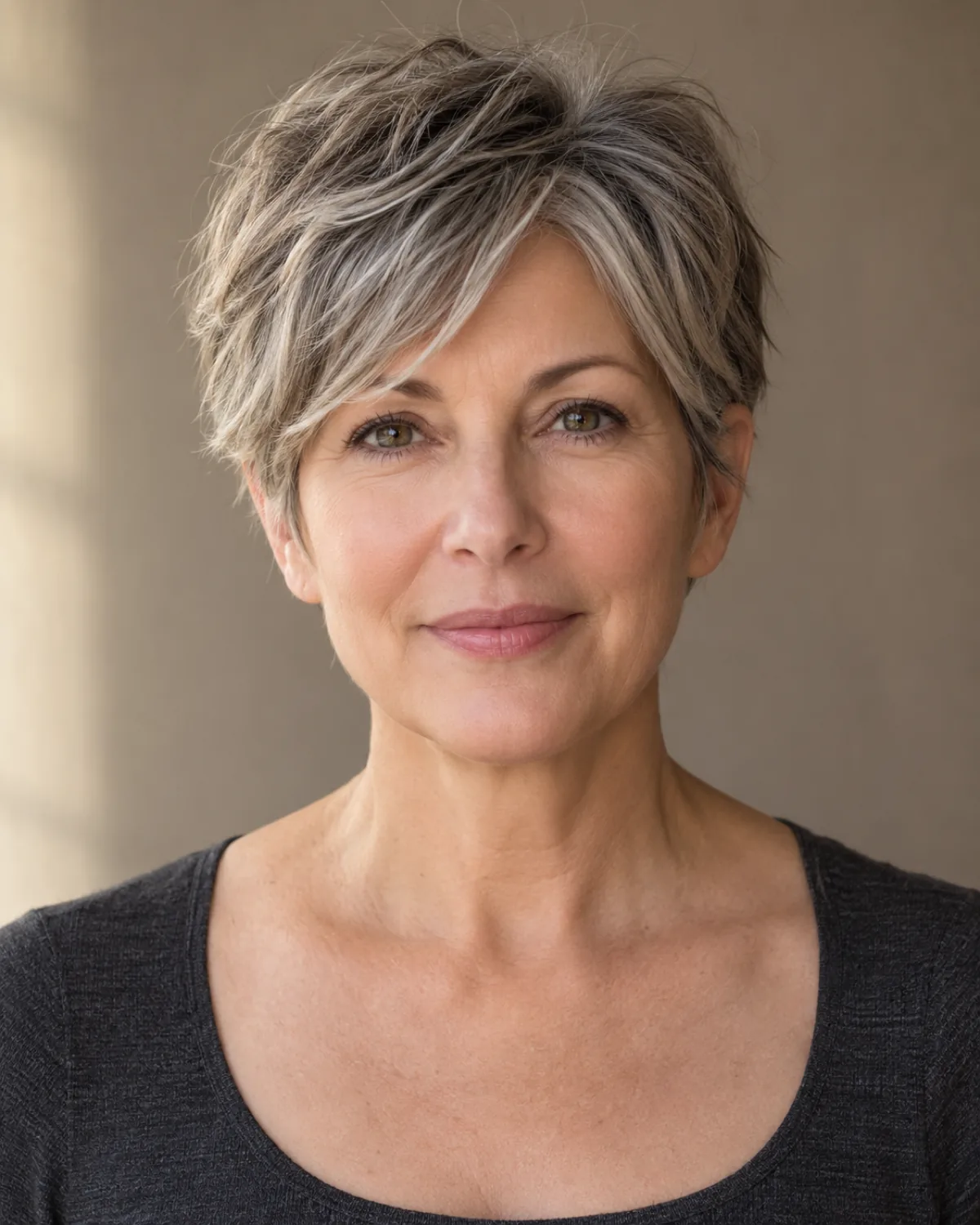
"Short" is not one length. When you say it, your stylist hears three possible destinations, and unless you name one, they will choose for you. The three anchors that remove the ambiguity are your earlobe, your chin, and your collarbone.
- Ear-length means the longest pieces end at or above the ear. This is pixie territory. The neck is fully exposed, the face is framed entirely by the cut's top layers, and the shape depends on the crown having enough volume to balance the cropped sides
- Chin-length means the hair reaches the jawline. This is bob territory. The jaw becomes a design line, and whether the cut flatters depends on the relationship between the jaw angle and the weight line of the hair
- Collarbone-length is not short in a salon, even if it feels short to someone who has worn waist-length hair for twenty years. If this is what you mean, say "collarbone" so your stylist does not take it higher
The Face-Shape Signals Worth Checking
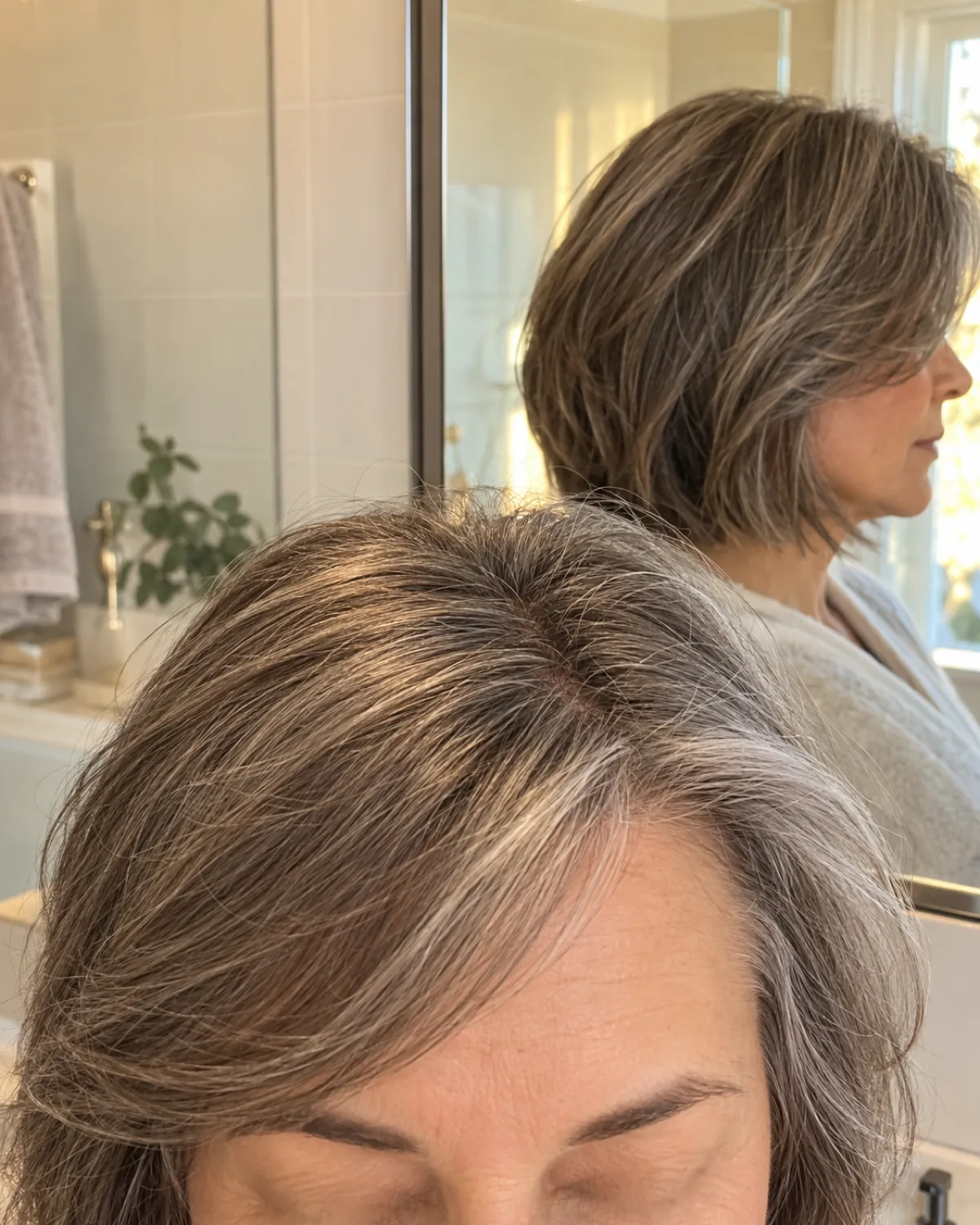
Your face shape does not rule out short hair. It tells you where the cut's weight should sit so the proportions read the way you want them to. What matters is the width-to-length ratio of your face and where your widest point falls.
- A round face (roughly equal in width and length, fullest at the cheeks) benefits from height at the crown and tapered sides. A pixie with volume on top can sharpen the jawline; a chin-length bob without layers can widen it
- An oval face (forehead and jaw narrower than the cheekbones, length greater than width) works with most short cuts because the proportions are already balanced. The risk is a cut so severe it breaks the balance rather than riding it
- A square face (strong jaw, forehead and jaw roughly the same width) does well with softness around the jaw. Layers that start at the cheekbone and fall past the jawline interrupt the horizontal line; a blunt chin-length bob reinforces it
- If you are not sure of your shape, a simple measurement check takes less than a minute and changes every recommendation that follows
Where to start
Find your situation, skip ahead
Your hair is fine and you want it to look fuller
A textured pixie or layered crop often reads thicker than long fine hair that falls flat. Check your neckline shape first.
03 What Your Hair Texture Tells You04 The Neckline Question Nobody Mentions
You have worn the same shoulder-length style for years and want a change
Before you commit, read the grow-out timeline so you know what happens if you want to go back.
05 How Much Styling Time Short Hair Really Takes06 Growing It Back Out if You Change Your Mind
You are not sure your face shape works with short hair
Your face shape affects where the weight should sit, not whether short hair is possible. Check the signals first.
02 The Face-Shape Signals Worth Checking01 What "Short" Actually Means in the Chair
What Your Hair Texture Tells You
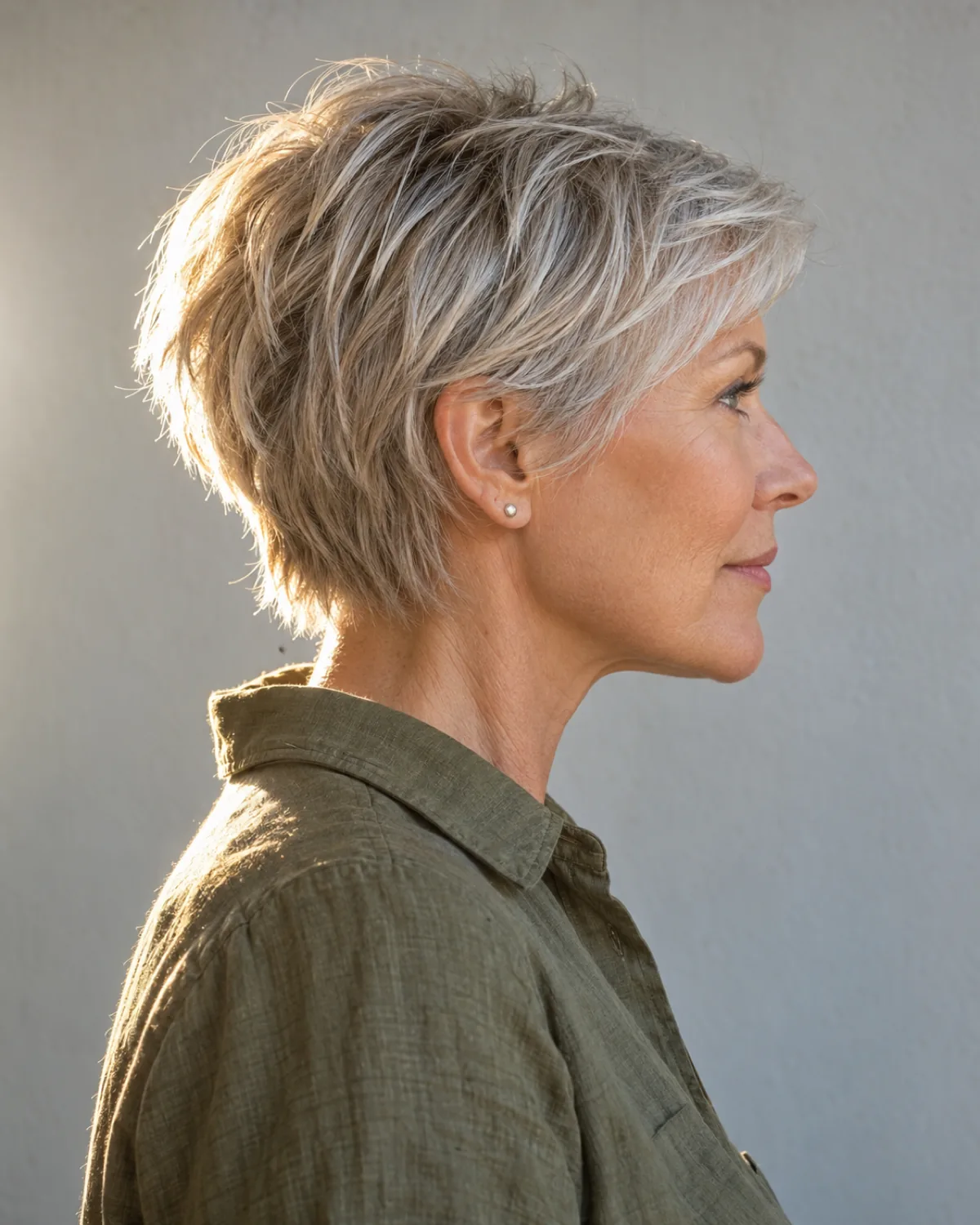
Hair texture changes with age. According to the Cleveland Clinic, the hair follicle itself shrinks over time, producing a finer strand. Curl patterns can loosen or tighten. What worked at your hair's previous density and texture may not work now, and short hair can be either the solution or the problem depending on which change you are working with.
- Fine hair that has lost density can actually look fuller in a short textured crop than in a long style that hangs flat. The key is interior texture, not blunt lines. Ask your stylist to point-cut or razor the ends rather than cutting them blunt, which creates transparency at the hemline
- Coarse or thick hair needs weight removed when it goes short, or it mushrooms. A graduated back and thinned-out interior keep the shape close to the head without looking like a helmet
- Wavy or curly hair shrinks when it is cut short. A curl that hangs six inches long may spring up to three inches when the weight below it is removed. Your stylist should cut based on where the curl will land, not where the wet hair reaches
The Neckline Question Nobody Mentions
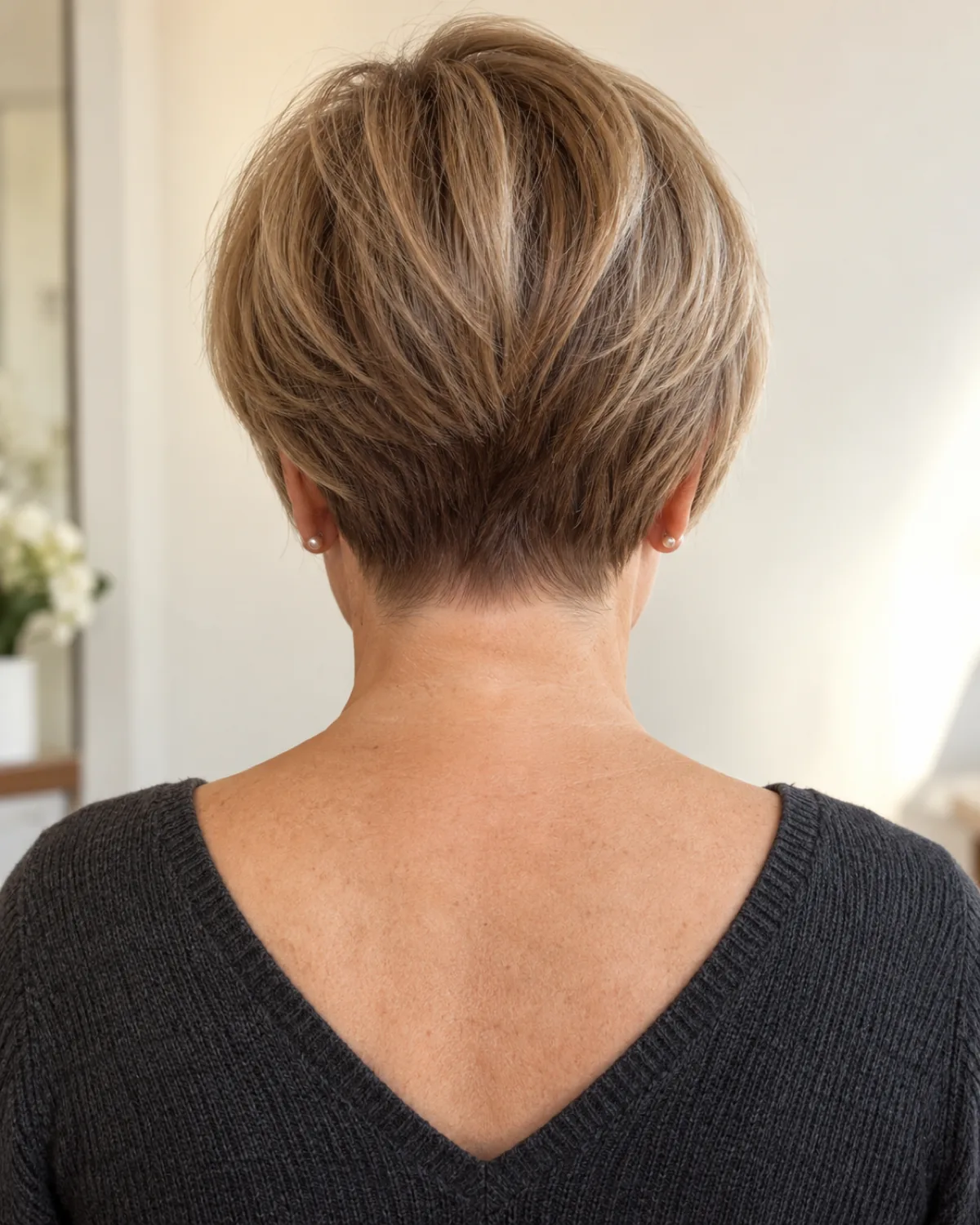
The back of a short haircut is visible to everyone except you, and the shape it takes depends on something most people never look at: where your hairline ends at the nape. This is the structural fact that determines how a short cut finishes at the back, and it is the one your stylist will assess in the first thirty seconds of a consultation.
- A low hairline (hair grows well below the occipital bone, sometimes into the upper back) gives more canvas for graduation and a clean tapered finish. Short cuts tend to look polished here because there is a clear boundary between hair and skin
- A high hairline (hair stops at or above the occipital bone) means less hair to work with at the nape. A close-cropped back can look elegant, but if the hair is fine it may expose skin where a longer style would not. Ask your stylist whether a slightly longer nape would serve you better than a cropped one
- A centre point or widow's peak at the nape creates a natural V-shape. Some cuts can work with this; others fight it. A stylist who can see your nape in person knows which one applies to you
How Much Styling Time Short Hair Really Takes
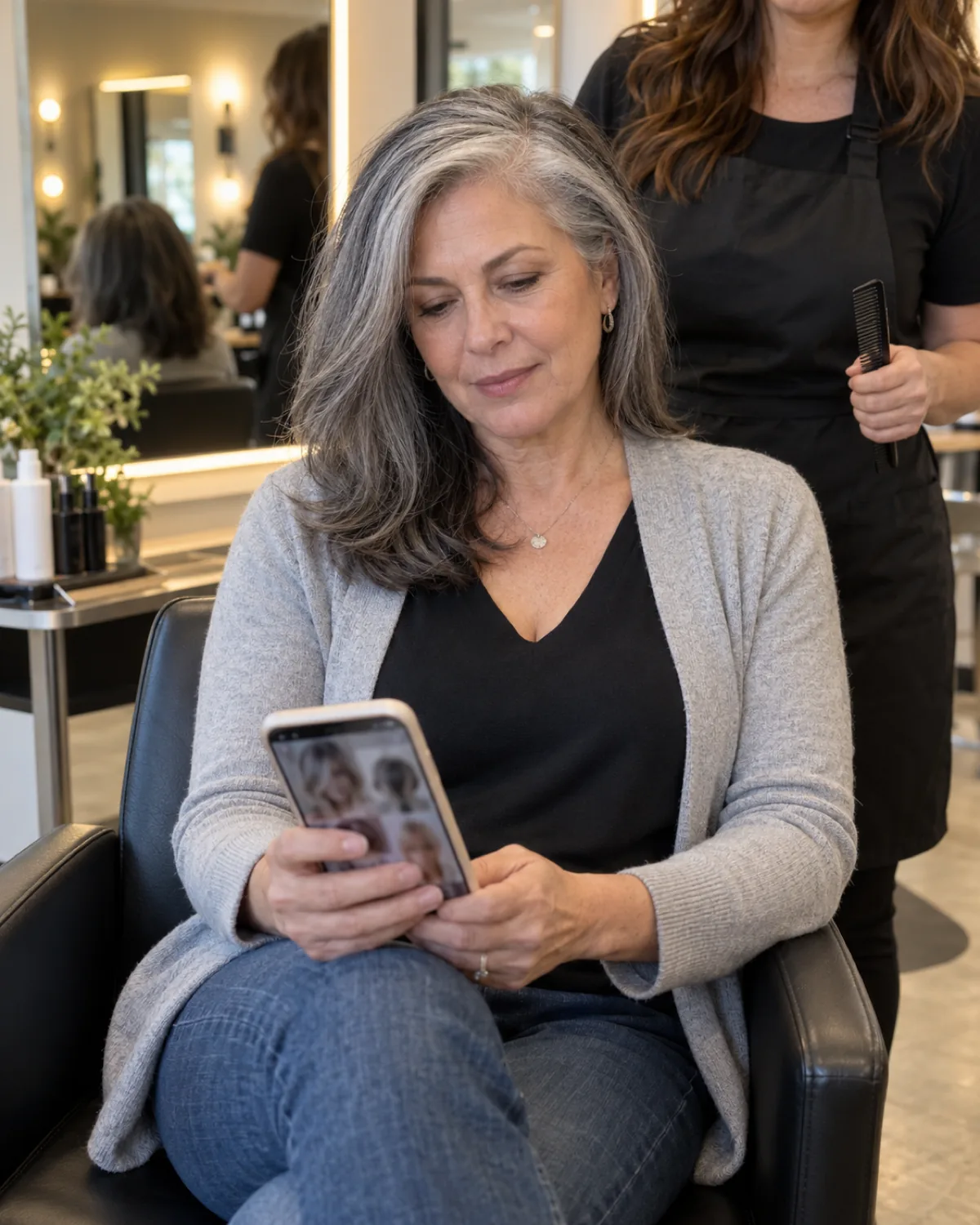
The most common reason women give for wanting short hair is that it will be easier. Sometimes it is. Sometimes it is not. The answer depends on which version of "easier" you mean.
- If you mean fewer minutes in the morning, a textured crop that air-dries well can deliver that. But a sleek pixie that sits flat needs a dryer and a round brush every morning or it lifts in directions you did not choose
- If you mean fewer salon visits, short hair is the wrong answer. A pixie needs reshaping every four to six weeks. A bob can stretch to eight. Long hair with a simple shape can go twelve weeks or more before it looks neglected
- If you mean less product, that depends on the cut. A blunt bob on straight hair needs almost nothing. A textured crop on fine hair needs a light wax or paste to hold the separation that makes it look intentional rather than flat
- The honest question is not "will it be easier?" but "will this specific version of easy match the way I actually live?"
Growing It Back Out if You Change Your Mind

The question nobody asks before cutting is the most important one: what happens if you want it back? Hair grows about half an inch a month. From a pixie to the shoulders takes twelve to eighteen months. That middle stretch, when the top is too long to stand up and too short to tuck behind the ear, is the stage that makes most women either cut it short again or push through with a plan.
- The awkward stage usually hits between months three and seven. The top flops, the sides stick out, the back starts curling over the collar. This is not a bad haircut. It is the cut growing, and it is manageable if your stylist shapes it at each visit rather than just trimming the length
- Ask your stylist to keep the back and sides shorter while the top catches up. This prevents the mullet effect and keeps the shape intentional while it transitions
- Budget for salon visits every five to six weeks during the grow-out, even though you are not cutting anything shorter. You are reshaping what is already there, and that is a different skill from cutting
- If the grow-out sounds like more commitment than you want, that is useful information. It does not mean you should not cut your hair short. It means you should know the exit cost before you enter
Questions to Settle Before the Scissors Start

A stylist trained in professional consultation technique will walk through these with you before cutting. If they do not, ask. According to Pivot Point International, the consultation is where the outcome of the cut is decided, not the cutting itself.
- "Where will the shortest piece be?" — if the answer is above your ear and you pictured your chin, now is the time to say so. This single question prevents the most common short-cut regret
- "How will this look at six weeks?" — a cut that photographs well on day one but grows out shapeless by week five is a cut that does not match your maintenance budget. If your stylist cannot describe the grow-out, they may be designing for the moment
- "What will I need to do every morning?" — if the answer involves a round brush, a flat iron, and a volumising product, and your real routine is towel-dry and leave, say so before the first cut
- "What does the back look like?" — ask to see a photo of the back of the cut they are recommending, or ask them to describe the nape finish. You will not see the back easily, and it is the part that matters most to everyone behind you
When Short Is Not the Answer
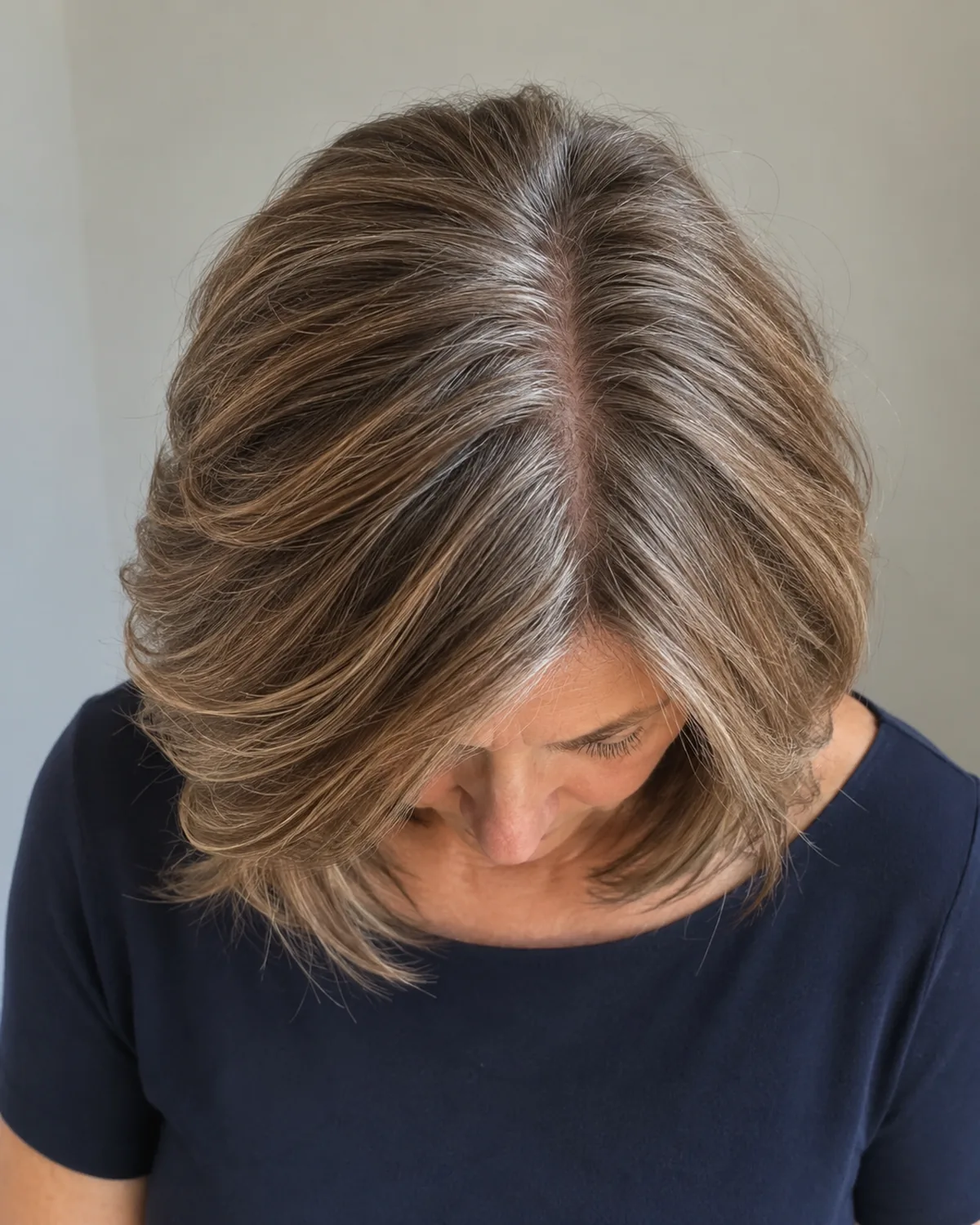
There are situations where keeping your length, or taking it only to the collarbone, is the better call. Knowing when short is not the answer is as useful as knowing when it is.
- If your hair is part of how you see yourself and cutting it feels like a loss rather than a change, that feeling is information. A fresh cut at your current length, with better layers or a new parting, may give you the shift you are looking for without the grief
- If you are unwilling to visit the salon every four to six weeks, a short cut will drift into shapelessness faster than a longer one. A collarbone-length style with built-in movement can go eight to ten weeks between trims and still look finished
- If your hair is very fine and the density is concentrated at the crown, a short back and sides may expose scalp where a longer style provides coverage. Your stylist can assess this in seconds, and the honest answer may be that a chin-length bob serves you better than a pixie
- If you are cutting short because someone told you that women over a certain age should, stop. Short hair is a structural match, not an age prescription. A woman whose hair, face, and routine suit a long style at seventy should keep it
Short Hair After 50 FAQ
These are the questions that come up most often when women over 50 are weighing a short haircut and want to decide with evidence rather than impulse.
Is short hair easier to maintain than long hair?
It depends on the cut and on what you mean by maintenance. A textured crop that air-dries well takes less time each morning than a blowout on long hair. But it needs reshaping every four to six weeks, while a simple long style can go three months between trims. Short hair trades daily minutes for salon frequency.
Will short hair make me look older?
No cut makes you look older or younger on its own. What changes is proportion: a cut that balances your face shape and sits well on your hair texture looks current, regardless of length. A cut that fights your proportions looks dated, and that can happen at any length.
Can I go short if my hair is very fine?
Yes, but the cut matters more than it does on thick hair. A textured pixie with interior layers can look fuller than a long style that falls flat. A blunt bob on fine hair can expose the part and make the hair look thinner. Ask your stylist for texture, not geometry.
How do I know if a pixie will suit my face?
Pull your hair back tight against your head and look in the mirror from the front and the side. What you see is close to what a pixie will reveal. If you like the shape, a pixie will likely work. If the result makes you uneasy, a chin-length bob gives you some of the same freedom without fully exposing the face.
What if I hate it? How long before it grows back?
From a pixie to shoulder-length takes twelve to eighteen months. The hardest stretch is months three to seven, when the top flops and the sides stick out. A stylist who knows how to shape a grow-out can make each stage look intentional rather than abandoned. Budget for visits every five to six weeks during the grow-out.
Where the checkable claims come from
- Understanding Graduation and Layering — Sam Villa / Redken Education
- How to Choose the Right Bangs for Your Face Shape — Byrdie
- Why Gray Hair Has a Different Texture — Cleveland Clinic
- The Art of Consultation — Pivot Point International
Keep this one
Save it for the appointment
Pin the image above to the board you actually open before a salon visit. This guide is written to be re-read, not read once.
Tonight, before you close this tab
- Stand in front of a mirror and look at your neckline from behind using a second mirror or your phone camera. A long neck carries a short cut differently from a short one
- Find a photo of yourself with short hair from any era. If none exists, pull your hair back tight against your head and study the shape that is left
- Write down how many minutes you spend on your hair each morning this week. The real number, not the ideal one
- Bring two reference photos to your next salon visit: one that shows the length you want and one that shows the texture or movement